Cooked Surimi
What is Cooked Surimi?
Surimi is a processed seafood product made from white fish, such as pollock. The fish is deboned, minced, washed to remove fat and undesirable flavors, and then mixed with cryoprotectants like sugar and sorbitol. This mixture is then frozen and can be further processed into various shapes and textures.
Is Cooked Surimi vegan?
No. Cooked Surimi is animal-derived, so it is not vegan.
Is Cooked Surimi a major allergen?
Surimi is derived from fish, which is one of the FDA's major allergens.
What is Cooked Surimi used for?
Surimi is used to imitate the texture and flavor of more expensive seafood like crab, shrimp, and scallops.
Is Cooked Surimi safe?
Surimi is generally recognized as safe (GRAS) by the FDA when used as a food ingredient.
Why it's used
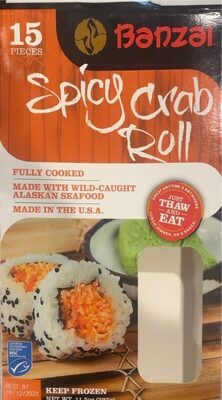
Surimi is used to imitate the texture and flavor of more expensive seafood like crab, shrimp, and scallops. It acts as a protein source and texturizer, providing a firm, elastic bite. It is commonly found in imitation crab sticks, seafood salads, sushi rolls, and fish cakes.
Health notes
Surimi is generally recognized as safe (GRAS) by the FDA when used as a food ingredient. It is a source of protein and omega-3 fatty acids, depending on the fish used. International bodies like JECFA have evaluated surimi and its components. Typical consumption levels are not associated with adverse health effects.
Allergen info
Surimi is derived from fish, which is one of the FDA's major allergens. It may also be processed in facilities that handle other allergens.
Foods that contain Cooked Surimi
Compare products →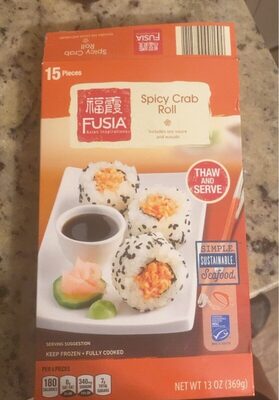
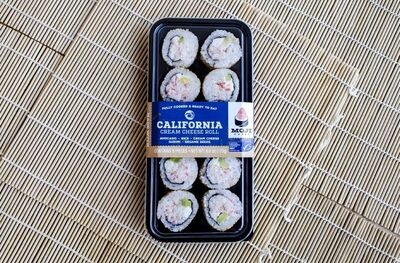 Moji Sushi
California Cream Cheese Roll, California Cream Cheese
141kcal
3.5Protein
7.1Fat
17.6Carbs
Learn more
Auto-generated content. This description was generated automatically and is pending editorial review. Inaccuracies are possible. Found a mistake? Contact us.