Cooked Turkey Tenderloins
What is Cooked Turkey Tenderloins?
Cooked turkey tenderloins are pieces of turkey breast meat that have been seasoned and cooked. They are typically made from lean turkey breast, often seasoned with herbs and spices before being cooked through methods like roasting or baking.
Is Cooked Turkey Tenderloins vegan?
No. Cooked Turkey Tenderloins is animal-derived, so it is not vegan.
Is Cooked Turkey Tenderloins gluten-free?
It does not contain gluten.
Is Cooked Turkey Tenderloins a major allergen?
Turkey is not one of the nine major allergens recognized by the FDA.
What is Cooked Turkey Tenderloins used for?
Manufacturers use cooked turkey tenderloins as a protein source in a variety of prepared foods.
Is Cooked Turkey Tenderloins safe?
Turkey tenderloins are a source of protein and other nutrients.
Why it's used
Manufacturers use cooked turkey tenderloins as a protein source in a variety of prepared foods. They are commonly found in frozen dinners, ready-made meals, sandwiches, and appetizers, adding a savory and familiar flavor.
Health notes
Turkey tenderloins are a source of protein and other nutrients. The FDA considers turkey to be generally recognized as safe (GRAS). International bodies like JECFA have evaluated turkey products. Typical consumption as part of a balanced diet is not associated with adverse health effects.
Allergen info
Turkey is not one of the nine major allergens recognized by the FDA. It does not contain gluten.
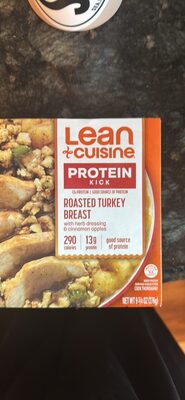
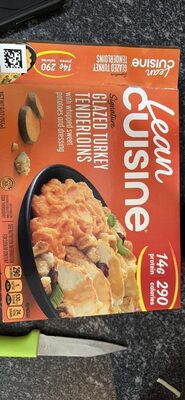
Foods that contain Cooked Turkey Tenderloins
Compare products →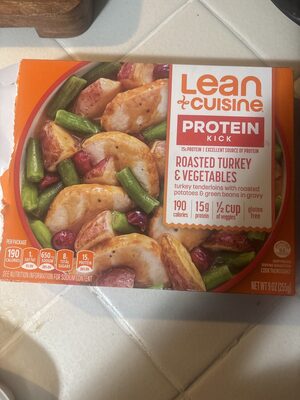
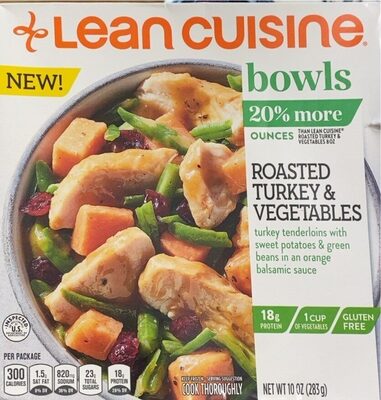
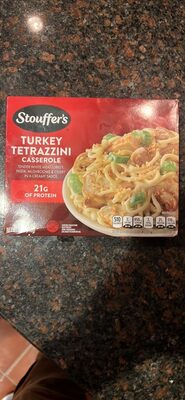
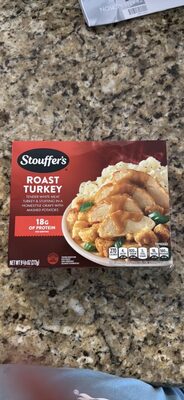
Learn more
Auto-generated content. This description was generated automatically and is pending editorial review. Inaccuracies are possible. Found a mistake? Contact us.