Cooking Oil
Auto-generated content. This description was generated automatically and is pending editorial review. Inaccuracies are possible. Found a mistake? Contact us.
What it is
Cooking oil is a liquid fat derived from plant sources such as soybeans, corn, olives, or canola, or from animal sources like lard or butter. It is typically extracted through pressing or solvent extraction and may be refined to remove impurities and alter flavor or stability.
Why it's used
Manufacturers use cooking oil primarily to add richness, improve texture, and transfer heat during cooking processes like frying, sautéing, and baking. It is a key ingredient in many processed foods, including baked goods, salad dressings, sauces, and snack foods, providing moisture and a desirable mouthfeel.
Health notes
Cooking oils are a source of dietary fat and calories. The health effects of cooking oils depend heavily on the type of fat they contain (saturated, unsaturated, trans) and how they are processed. The FDA considers many common cooking oils to be Generally Recognized As Safe (GRAS). International bodies like JECFA have evaluated various oils, but do not set specific numeric limits for most. Evidence suggests that replacing saturated and trans fats with unsaturated fats may support heart health.
Allergen info
Cooking oils can be derived from major allergens like soy, peanuts, tree nuts (e.g., almond, walnut), or sesame. Manufacturers must declare the source allergen if the oil is derived from one of the 9 major allergens. Oils not derived from these sources are not considered major allergens. Gluten is not typically associated with cooking oils unless there is cross-contamination.
Products containing Cooking Oil
Compare products →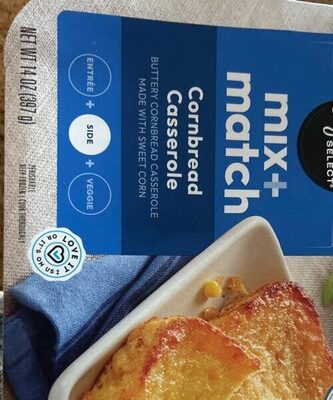 Safeway, Inc.
Cornbread Casserole Mix + Match, Cornbread Casserole
High in added sugars — 30% DV per serving
High in cholesterol — 25% DV per serving
224kcal
4.7Protein
8.2Fat
35.3Carbs
Safeway, Inc.
Cornbread Casserole Mix + Match, Cornbread Casserole
High in added sugars — 30% DV per serving
High in cholesterol — 25% DV per serving
224kcal
4.7Protein
8.2Fat
35.3Carbs