Copra
Auto-generated content. This description was generated automatically and is pending editorial review. Inaccuracies are possible. Found a mistake? Contact us.
What it is
Copra is the dried kernel of the coconut palm. It is the source of coconut oil and is produced by drying the coconut meat, usually in the sun or using mechanical dryers. The dried kernel is then typically pressed to extract the oil.
Why it's used
Copra is primarily used as a source for coconut oil, which is a versatile fat used in a wide range of food products. Coconut oil can add flavor and texture to baked goods like cookies and breads, and is also used in confectionery like chocolates.
Health notes
Copra itself is not typically added directly to foods; rather, its oil is used. Coconut oil is generally recognized as safe (GRAS) by the FDA for use in food. While coconut oil is high in saturated fat, its health effects are debated. Some research suggests it may raise LDL cholesterol, while others indicate potential benefits for HDL cholesterol. International bodies like JECFA have evaluated coconut oil, but no specific numeric limits are set.
Allergen info
Coconut is not considered one of the FDA's major allergens. It is botanically a fruit, not a tree nut, and does not contain gluten.
Products containing Copra
Compare products →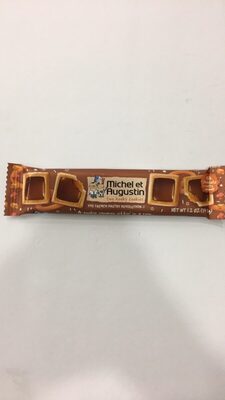 Ridgid Products
Milk Chocolate And Melty Caramel Two Kooky Cookies, Milk Chocolate And Melty Caramel
High in saturated fat — 25% DV per serving
High in added sugars — 26% DV per serving
500kcal
5.9Protein
20.6Fat
67.7Carbs
Ridgid Products
Milk Chocolate And Melty Caramel Shortbread Cookie Squares, Milk Chocolate And Melty Caramel
High in saturated fat — 20% DV per serving
High in added sugars — 20% DV per serving
500kcal
7.1Protein
21.4Fat
67.9Carbs
Ridgid Products
Chocolate And Toasted Hazelnuts Shortbread Cookie Squares, Chocolate And Toasted Hazelnuts
High in saturated fat — 20% DV per serving
520kcal
8Protein
24Fat
64Carbs
Ridgid Products
Milk Chocolate And Melty Caramel Two Kooky Cookies, Milk Chocolate And Melty Caramel
High in saturated fat — 25% DV per serving
High in added sugars — 26% DV per serving
500kcal
5.9Protein
20.6Fat
67.7Carbs
Ridgid Products
Milk Chocolate And Melty Caramel Shortbread Cookie Squares, Milk Chocolate And Melty Caramel
High in saturated fat — 20% DV per serving
High in added sugars — 20% DV per serving
500kcal
7.1Protein
21.4Fat
67.9Carbs
Ridgid Products
Chocolate And Toasted Hazelnuts Shortbread Cookie Squares, Chocolate And Toasted Hazelnuts
High in saturated fat — 20% DV per serving
520kcal
8Protein
24Fat
64Carbs