Coriander
Auto-generated content. This description was generated automatically and is pending editorial review. Inaccuracies are possible. Found a mistake? Contact us.
What it is
Coriander is the common name for the seeds of the cilantro plant (Coriandrum sativum). The seeds are typically dried and can be used whole or ground into a powder. Coriander has a warm, nutty, and slightly citrusy flavor profile.
Why it's used
Manufacturers use coriander primarily as a spice to add flavor to a wide variety of foods. It is a common ingredient in spice blends, marinades, sauces, and baked goods. It is also used in pickling and to flavor processed meats.
Health notes
Coriander is generally recognized as safe (GRAS) by the FDA when used as a food ingredient. It is a common spice and is not typically consumed in amounts that would pose a health risk. International bodies like JECFA and EFSA have evaluated coriander and its extracts, generally finding them safe for use as flavoring agents. Research into potential health benefits, such as antioxidant or anti-inflammatory properties, is ongoing, but these effects are not typically seen at the low levels found in food.
Allergen info
Coriander is not one of the nine major allergens identified by the FDA. It does not contain gluten.
Products containing Coriander
Compare products →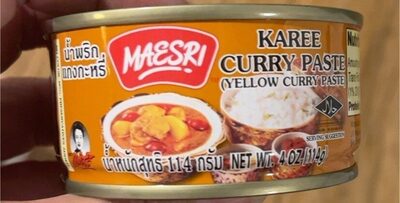 MAESRI
Maesri, Yellow Curry Paste
High in sodium — 25% DV per serving
176kcal
0Protein
8.8Fat
23.5Carbs
MAESRI
Maesri, Yellow Curry Paste
High in sodium — 25% DV per serving
176kcal
0Protein
8.8Fat
23.5Carbs
 SPECIAL TOUCH
Special Touch, Adjustable Grinder Morocco Seasoning
—kcal
0Protein
0Fat
0Carbs
WORLD GRILL
Spicy Harissa Rub
0kcal
0Protein
0Fat
0Carbs
SPECIAL TOUCH
Special Touch, Adjustable Grinder Morocco Seasoning
—kcal
0Protein
0Fat
0Carbs
WORLD GRILL
Spicy Harissa Rub
0kcal
0Protein
0Fat
0Carbs