Cottonseed Peanut Oil
What is Cottonseed Peanut Oil?
Cottonseed peanut oil is a blend of oils derived from cottonseeds and peanuts. The oil is extracted from the seeds of cotton plants and from peanuts, then refined to remove impurities and any natural flavors or colors. This process results in a neutral-tasting oil suitable for various food applications.
Is Cottonseed Peanut Oil vegan?
Cottonseed Peanut Oil is not animal-derived. Products that contain it can still include other animal-derived ingredients, so check the full ingredient list.
Is Cottonseed Peanut Oil a major allergen?
This oil is derived from peanuts, which are one of the nine major allergens recognized by the FDA.
What is Cottonseed Peanut Oil used for?
Manufacturers use cottonseed peanut oil as a cooking oil and as an ingredient in processed foods.
Is Cottonseed Peanut Oil safe?
Cottonseed peanut oil is generally recognized as safe (GRAS) by the FDA for use in food.
Why it's used
Manufacturers use cottonseed peanut oil as a cooking oil and as an ingredient in processed foods. Its neutral flavor and relatively high smoke point make it suitable for frying and baking. It is often found in snack foods, baked goods, and confectionery products.
Health notes
Cottonseed peanut oil is generally recognized as safe (GRAS) by the FDA for use in food. It is a source of unsaturated fats, including polyunsaturated and monounsaturated fats. Regulatory bodies like JECFA have evaluated edible oils, and while specific evaluations for this blend may vary, they are generally considered safe when consumed in moderation as part of a balanced diet. Evidence does not suggest adverse health effects at typical consumption levels.
Allergen info
This oil is derived from peanuts, which are one of the nine major allergens recognized by the FDA. Therefore, individuals with peanut allergies should avoid products containing cottonseed peanut oil.
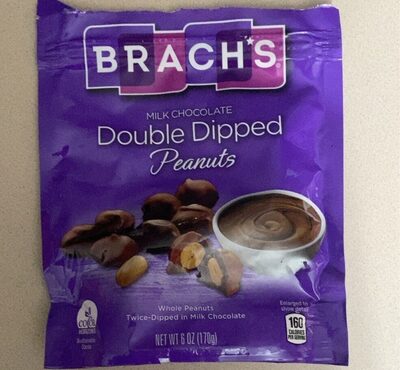
Foods that contain Cottonseed Peanut Oil
Compare products →
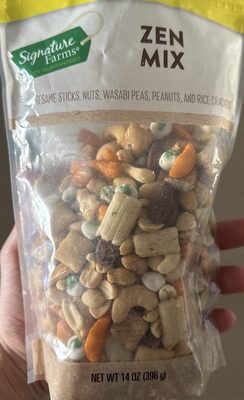

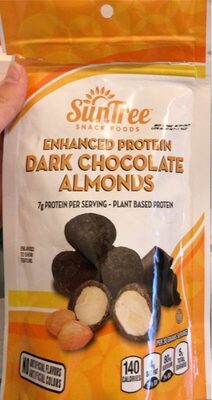
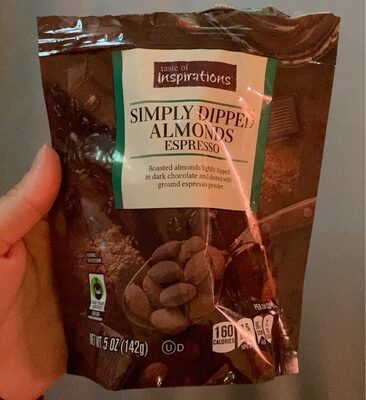

Learn more
Auto-generated content. This description was generated automatically and is pending editorial review. Inaccuracies are possible. Found a mistake? Contact us.