Crunch
What is Crunch?
Crunch is a broad term used to describe a texture, not a specific ingredient. It typically refers to small, crisp pieces added to food for textural contrast. These pieces can be made from various ingredients like nuts, seeds, cereal, or sugar crystals.
Is Crunch gluten-free?
Gluten may also be present if made from wheat.
Is Crunch a major allergen?
The allergen status of 'crunch' depends on its components.
What is Crunch used for?
Manufacturers add crunch to enhance the eating experience by providing a satisfying crispness.
Is Crunch safe?
As 'crunch' is a textural descriptor rather than a single ingredient, its health implications depend entirely on what creates the crunch.
Why it's used
Manufacturers add crunch to enhance the eating experience by providing a satisfying crispness. It is commonly found in desserts like ice cream, cakes, and cookies, as well as in toppings and snack items. The goal is to add textural interest and a sense of indulgence.
Health notes
As 'crunch' is a textural descriptor rather than a single ingredient, its health implications depend entirely on what creates the crunch. Ingredients like nuts and seeds can be part of a healthy diet, while added sugars or fried components may contribute to excess calorie intake. Regulatory bodies like the FDA do not evaluate 'crunch' itself but rather the individual ingredients used to create it.
Allergen info
The allergen status of 'crunch' depends on its components. If made from nuts, peanuts, wheat, or soy, it would be considered a major allergen. Gluten may also be present if made from wheat. Otherwise, it is not a major allergen.
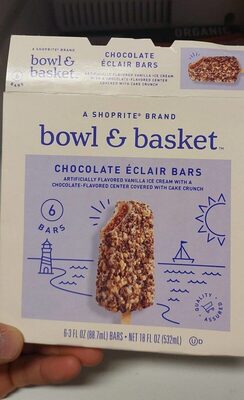
Foods that contain Crunch
Compare products →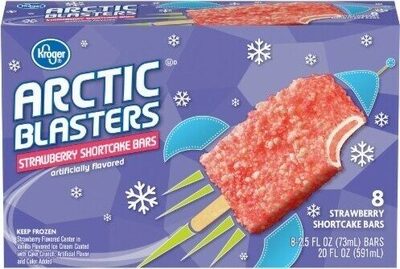
Auto-generated content. This description was generated automatically and is pending editorial review. Inaccuracies are possible. Found a mistake? Contact us.