Crustacean
What is Crustacean?
Crustaceans are a large group of arthropods, including shrimp, crabs, lobsters, and crayfish. They are found in marine and freshwater environments worldwide. Many are harvested from the wild or farmed for human consumption.
Is Crustacean vegan?
No. Crustacean is animal-derived, so it is not vegan.
Is Crustacean a major allergen?
Crustaceans are one of the 9 FDA major allergens, commonly referred to as shellfish.
What is Crustacean used for?
Crustaceans are primarily used as a food source, providing a distinct seafood flavor and texture.
Is Crustacean safe?
Crustaceans are a source of protein, omega-3 fatty acids, and minerals like zinc and selenium.
Why it's used
Crustaceans are primarily used as a food source, providing a distinct seafood flavor and texture. They are commonly found in dishes like seafood salads, bisques, stir-fries, and pasta dishes, and are often sold as whole cooked products or as processed ingredients.
Health notes
Crustaceans are a source of protein, omega-3 fatty acids, and minerals like zinc and selenium. They are not typically subject to FDA additive regulations as they are a whole food. Regulatory bodies like EFSA have evaluated shellfish safety, noting potential risks from toxins like ciguatera and scombrotoxin in certain species if not handled properly.
Allergen info
Crustaceans are one of the 9 FDA major allergens, commonly referred to as shellfish. Individuals with a shellfish allergy should avoid all crustaceans.
Foods that contain Crustacean
Compare products →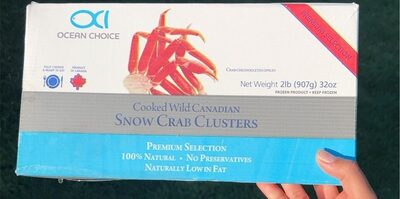
Learn more
Auto-generated content. This description was generated automatically and is pending editorial review. Inaccuracies are possible. Found a mistake? Contact us.