Culantro
What is Culantro?
Culantro is a leafy herb in the same family as cilantro, but with a stronger flavor. It is native to tropical regions of the Americas and is commonly used in Caribbean, Latin American, and Southeast Asian cuisines. The leaves are typically used fresh, often chopped and added to dishes.
Is Culantro vegan?
Culantro is not animal-derived. Products that contain it can still include other animal-derived ingredients, so check the full ingredient list.
Is Culantro gluten-free?
It does not contain gluten.
Is Culantro a major allergen?
Culantro is not one of the FDA's nine major allergens.
What is Culantro used for?
Culantro is used as a flavoring agent to add a pungent, herbaceous taste to foods.
Is Culantro safe?
Culantro is generally recognized as safe (GRAS) by the FDA when used as a food ingredient.
Why it's used
Culantro is used as a flavoring agent to add a pungent, herbaceous taste to foods. Manufacturers include it in savory products like soups, stews, sauces, and marinades. It is particularly common in dishes where a strong cilantro-like flavor is desired.
Health notes
Culantro is generally recognized as safe (GRAS) by the FDA when used as a food ingredient. It is a common culinary herb with no known adverse health effects at typical consumption levels. International bodies like JECFA have evaluated many food ingredients, but specific evaluations for culantro are not widely published.
Allergen info
Culantro is not one of the FDA's nine major allergens. It does not contain gluten.
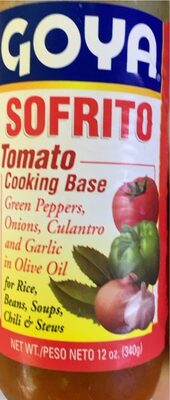
Foods that contain Culantro
Compare products →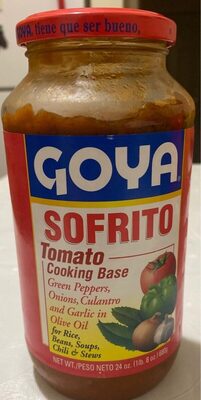
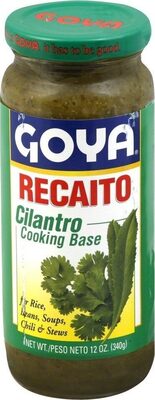
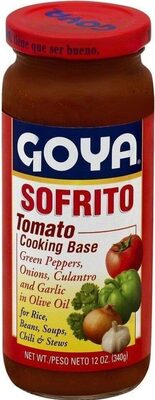

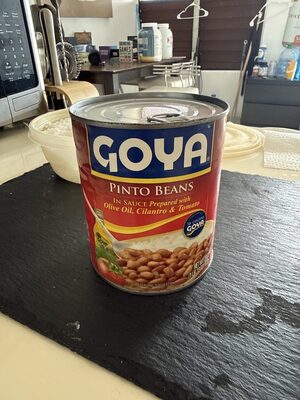
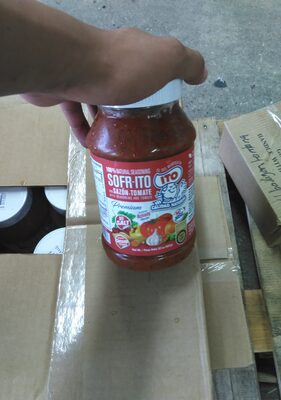
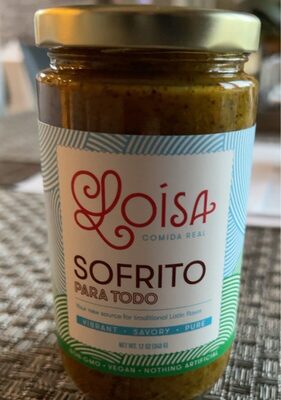


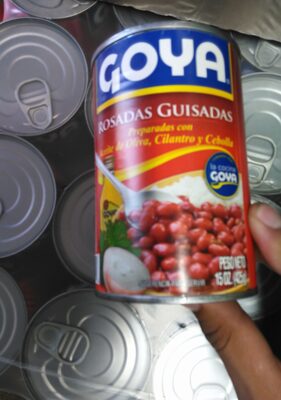
Learn more
Auto-generated content. This description was generated automatically and is pending editorial review. Inaccuracies are possible. Found a mistake? Contact us.