Culture Salt
Auto-generated content. This description was generated automatically and is pending editorial review. Inaccuracies are possible. Found a mistake? Contact us.
What it is
Culture salt, also known as "cultured salt" or "fermented salt," is salt that has undergone a fermentation process. This process typically involves mixing salt with water and a starter culture, often containing lactic acid bacteria, and allowing it to ferment for a period. The fermentation can alter the salt's flavor profile, making it milder and sometimes adding subtle tangy notes.
Why it's used
Manufacturers use culture salt primarily as a flavor enhancer and preservative in foods like pickles, olives, and relishes. Its unique taste can add complexity to savory products, and its saltiness contributes to preservation by inhibiting microbial growth. It is often found in fermented vegetable products and some specialty salads.
Health notes
Culture salt is generally recognized as safe (GRAS) by the FDA for use in food. The primary component is sodium chloride, and like regular salt, excessive intake can contribute to high blood pressure in some individuals. International bodies like JECFA have evaluated salt and its components. Evidence regarding specific health benefits or risks beyond those associated with sodium intake is limited.
Allergen info
Culture salt is not derived from any of the nine major allergens recognized by the FDA. It does not contain gluten.
Products containing Culture Salt
Compare products →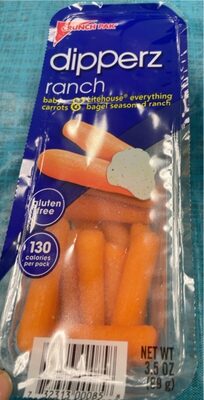 Crunch Pak Holding Company, LLC
Carrots & Litehouse Everything Bagel Seasoned Ranch Dipperz, Carrots & Litehouse Everything Bagel Seasoned Ranch
131kcal
1.0Protein
10.1Fat
—Carbs
Crunch Pak Holding Company, LLC
Ranch Dip, Ranch
131kcal
1.0Protein
10.1Fat
9.1Carbs
Conagra Brands Inc
BLAKES All Natural Chicken Parmesan With Pasta, 8 OZ
High in sodium — 30% DV per serving
High in saturated fat — 22% DV per serving
115kcal
8.4Protein
4.8Fat
9.2Carbs
Meijer, Inc.
Cranberry Spinach, Balsamic Vinaigrette, Feta Cheese, Dried Sweetened Cranberries, Slivered Almonds Salad, Cranberry Spinach
High in sodium — 21% DV per serving
171kcal
5.9Protein
9.4Fat
15.9Carbs
Crunch Pak Holding Company, LLC
Carrots & Litehouse Everything Bagel Seasoned Ranch Dipperz, Carrots & Litehouse Everything Bagel Seasoned Ranch
131kcal
1.0Protein
10.1Fat
—Carbs
Crunch Pak Holding Company, LLC
Ranch Dip, Ranch
131kcal
1.0Protein
10.1Fat
9.1Carbs
Conagra Brands Inc
BLAKES All Natural Chicken Parmesan With Pasta, 8 OZ
High in sodium — 30% DV per serving
High in saturated fat — 22% DV per serving
115kcal
8.4Protein
4.8Fat
9.2Carbs
Meijer, Inc.
Cranberry Spinach, Balsamic Vinaigrette, Feta Cheese, Dried Sweetened Cranberries, Slivered Almonds Salad, Cranberry Spinach
High in sodium — 21% DV per serving
171kcal
5.9Protein
9.4Fat
15.9Carbs