Cultured Non-fat Milk
What is Cultured Non-fat Milk?
Cultured non-fat milk is made by adding live bacterial cultures to skim milk. These cultures ferment the lactose (milk sugar) into lactic acid, which thickens the milk and gives it a tangy flavor. This process is similar to how yogurt is made.
Is Cultured Non-fat Milk vegan?
No. Cultured Non-fat Milk is animal-derived, so it is not vegan.
Is Cultured Non-fat Milk gluten-free?
It does not contain gluten.
Is Cultured Non-fat Milk a major allergen?
Cultured non-fat milk is derived from milk, which is one of the 9 FDA major allergens.
What is Cultured Non-fat Milk used for?
Manufacturers use cultured non-fat milk as a source of protein and for its tangy flavor and thickening properties.
Is Cultured Non-fat Milk safe?
Cultured non-fat milk is generally recognized as safe (GRAS) by the FDA for use in food.
Why it's used
Manufacturers use cultured non-fat milk as a source of protein and for its tangy flavor and thickening properties. It is often found in dairy-based products like ice cream, frozen yogurt, and some baked goods such as cakes and cupcakes.
Health notes
Cultured non-fat milk is generally recognized as safe (GRAS) by the FDA for use in food. It is a source of calcium and protein. The Joint FAO/WHO Expert Committee on Food Additives (JECFA) has evaluated similar dairy products. Evidence does not suggest adverse health effects from consuming typical amounts.
Allergen info
Cultured non-fat milk is derived from milk, which is one of the 9 FDA major allergens. It does not contain gluten.
Foods that contain Cultured Non-fat Milk
Compare products →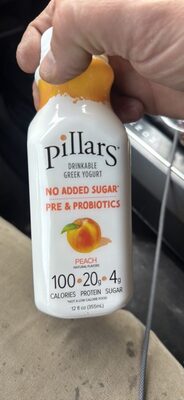 pillars yogurt llc
Peach Pre & Probiotics Drinkable Greek Yogurt, Peach
28kcal
5.1Protein
0Fat
2.2Carbs
pillars yogurt llc
Peach Pre & Probiotics Drinkable Greek Yogurt, Peach
28kcal
5.1Protein
0Fat
2.2Carbs
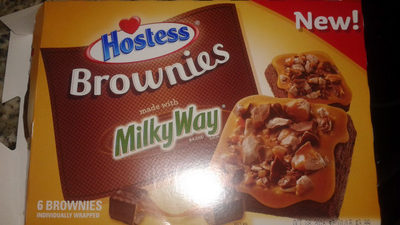 Hostess Brands, LLC
Brownies Made With Milky Way Bar Pieces
395kcal
4.7Protein
13.9Fat
62.8Carbs
Hostess Brands, LLC
Brownies Made With Milky Way Bar Pieces
395kcal
4.7Protein
13.9Fat
62.8Carbs
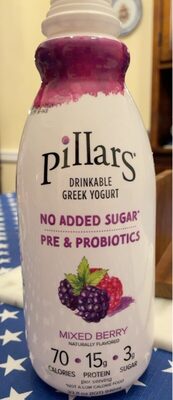 pillars yogurt llc
Mixed Berry Drinkable Greek Yogurt, Mixed Berry
30kcal
6.4Protein
0Fat
2.5Carbs
pillars yogurt llc
Mixed Berry Drinkable Greek Yogurt, Mixed Berry
30kcal
6.4Protein
0Fat
2.5Carbs
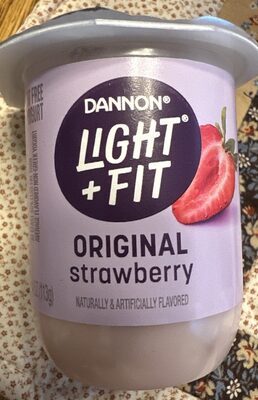 Danone US, LLC
Original Strawberry Peach Nonfat Yogurt, Strawberry Peach
44kcal
2.6Protein
0Fat
8.0Carbs
Danone US, LLC
Original Strawberry Peach Nonfat Yogurt, Strawberry Peach
44kcal
2.6Protein
0Fat
8.0Carbs
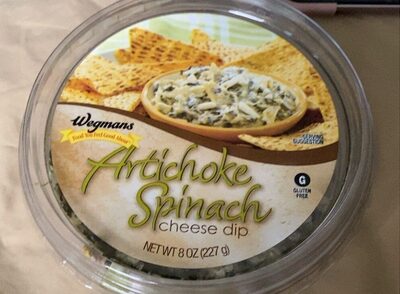 Wegmans Food Markets, Inc.
Artichoke Spinach Cheese Dip, Artichoke Spinach
117kcal
6.7Protein
6.7Fat
6.7Carbs
Wegmans Food Markets, Inc.
Artichoke Spinach Cheese Dip, Artichoke Spinach
117kcal
6.7Protein
6.7Fat
6.7Carbs
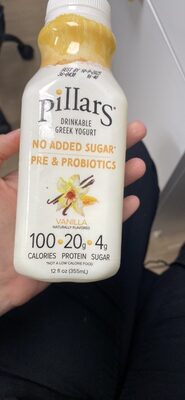 pillars yogurt llc
Vanilla Drinkable Greek Yogurt, Vanilla
28kcal
5.1Protein
0Fat
2.2Carbs
pillars yogurt llc
Vanilla Drinkable Greek Yogurt, Vanilla
28kcal
5.1Protein
0Fat
2.2Carbs
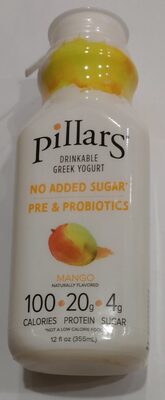 pillars yogurt llc
Mango Drinkable Greek Yogurt, Mango
28kcal
5.1Protein
0Fat
2.2Carbs
pillars yogurt llc
Mango Drinkable Greek Yogurt, Mango
28kcal
5.1Protein
0Fat
2.2Carbs
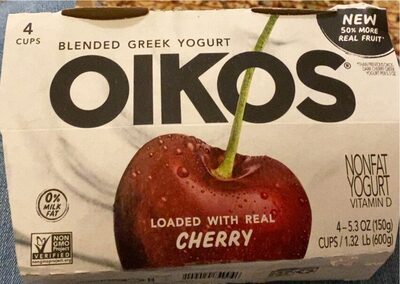 Danone US, LLC
Cherry Blended Greek Nonfat Yogurt, Cherry
60kcal
8.7Protein
0Fat
7.3Carbs
Danone US, LLC
Cherry Blended Greek Nonfat Yogurt, Cherry
60kcal
8.7Protein
0Fat
7.3Carbs
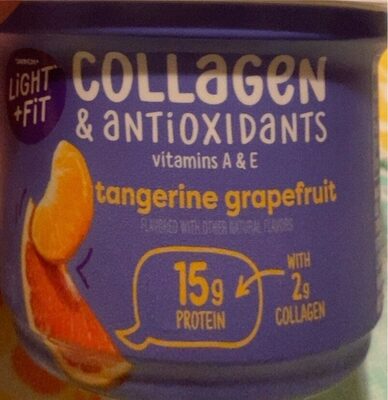 Danone US, LLC
Tangerine Grapefruit Flavored Collagen & Antioxidants Nonfat Yogurt, Tangerine Grapefruit
60kcal
10Protein
0Fat
4.7Carbs
Danone US, LLC
Tangerine Grapefruit Flavored Collagen & Antioxidants Nonfat Yogurt, Tangerine Grapefruit
60kcal
10Protein
0Fat
4.7Carbs
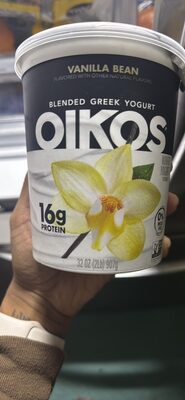 Danone US, LLC
Vanilla Bean Blended Greek Nonfat Yogurt, Vanilla Bean
71kcal
9.4Protein
0Fat
8.2Carbs
Danone US, LLC
Vanilla Bean Blended Greek Nonfat Yogurt, Vanilla Bean
71kcal
9.4Protein
0Fat
8.2Carbs
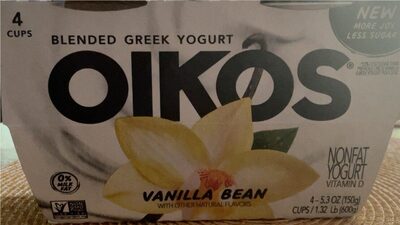 Danone US, LLC
Vanilla Bean Blended Greek Nonfat Yogurt, Vanilla
67kcal
9.3Protein
0Fat
8Carbs
Danone US, LLC
Vanilla Bean Blended Greek Nonfat Yogurt, Vanilla
67kcal
9.3Protein
0Fat
8Carbs
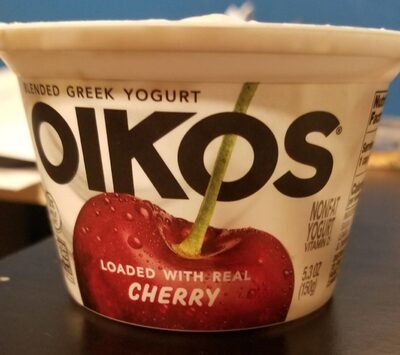 Danone US, LLC
Loaded With Real Cherry Blended Greek Nonfat Yogurt, Cherry
67kcal
8.7Protein
0Fat
8.7Carbs
Danone US, LLC
Loaded With Real Cherry Blended Greek Nonfat Yogurt, Cherry
67kcal
8.7Protein
0Fat
8.7Carbs
Learn more
Auto-generated content. This description was generated automatically and is pending editorial review. Inaccuracies are possible. Found a mistake? Contact us.