Cultured Pasteurized Nonfat Organic Milk
What is Cultured Pasteurized Nonfat Organic Milk?
This ingredient is milk that has been pasteurized (heated to kill harmful bacteria) and then had beneficial bacteria (cultures) added to it. These cultures ferment the milk's natural sugars, creating a tangy flavor and thicker texture. It is a low-fat version of milk, with most of the fat removed.
Is Cultured Pasteurized Nonfat Organic Milk vegan?
No. Cultured Pasteurized Nonfat Organic Milk is animal-derived, so it is not vegan.
Is Cultured Pasteurized Nonfat Organic Milk a major allergen?
Milk is one of the 9 major allergens recognized by the FDA.
What is Cultured Pasteurized Nonfat Organic Milk used for?
Manufacturers use cultured milk as a base for dairy products like yogurt and cottage cheese.
Is Cultured Pasteurized Nonfat Organic Milk safe?
Cultured pasteurized nonfat milk is generally recognized as safe (GRAS) by the FDA.
Why it's used
Manufacturers use cultured milk as a base for dairy products like yogurt and cottage cheese. The culturing process gives these foods their characteristic tart taste and creamy consistency. It also acts as a natural thickener.
Health notes
Cultured pasteurized nonfat milk is generally recognized as safe (GRAS) by the FDA. It is a source of protein and calcium. Regulatory bodies like the WHO and EFSA have not raised concerns about its consumption in typical amounts. No specific health risks are associated with consuming cultured milk products at normal levels.
Allergen info
Milk is one of the 9 major allergens recognized by the FDA. This ingredient is derived from milk.
Foods that contain Cultured Pasteurized Nonfat Organic Milk
Compare products →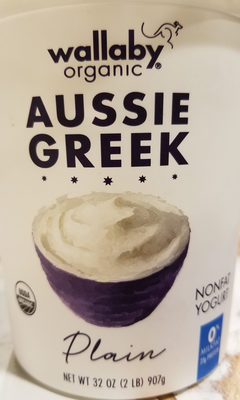 Danone US, LLC
Plain Organic Aussie Greek Style Nonfat Yogurt, Plain
59kcal
9.4Protein
0Fat
4.7Carbs
Danone US, LLC
Plain Organic Aussie Greek Style Nonfat Yogurt, Plain
59kcal
9.4Protein
0Fat
4.7Carbs
 Danone US, LLC
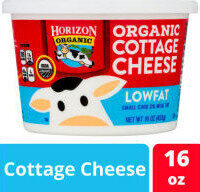
2% Lowfat Small Curd Cultured Cottage Cheese
88kcal
12.4Protein
2.2Fat
3.5Carbs
Danone US, LLC
2% Lowfat Small Curd Cultured Cottage Cheese
88kcal
12.4Protein
2.2Fat
3.5Carbs
 Danone US, LLC
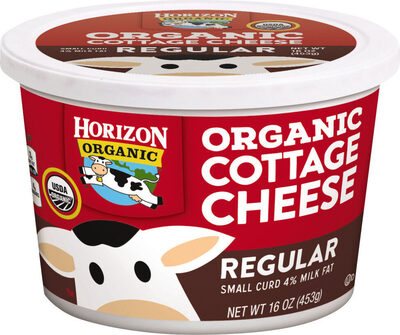
4% Small Curd Regular Cultured Cottage Cheese
106kcal
12.4Protein
4.4Fat
3.5Carbs
Danone US, LLC
4% Small Curd Regular Cultured Cottage Cheese
106kcal
12.4Protein
4.4Fat
3.5Carbs
 Danone US, LLC
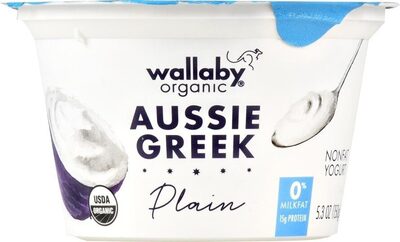
Plain Organic Aussie Greek Nonfat Yogurt, Plain
60kcal
10Protein
0Fat
4.7Carbs
Danone US, LLC
Plain Organic Aussie Greek Nonfat Yogurt, Plain
60kcal
10Protein
0Fat
4.7Carbs
Learn more
Auto-generated content. This description was generated automatically and is pending editorial review. Inaccuracies are possible. Found a mistake? Contact us.