Cultured Pasteurized Part Skim Milk Salt
What is Cultured Pasteurized Part Skim Milk Salt?
This is a blend of cheeses, typically mozzarella and provolone, with salt. The milk used is pasteurized, meaning it's heated to kill harmful bacteria, and is part-skim, meaning some of the fat has been removed. It's commonly used as a pizza topping.
Is Cultured Pasteurized Part Skim Milk Salt vegan?
No. Cultured Pasteurized Part Skim Milk Salt is animal-derived, so it is not vegan.
Is Cultured Pasteurized Part Skim Milk Salt gluten-free?
It does not contain gluten.
Is Cultured Pasteurized Part Skim Milk Salt a major allergen?
This ingredient is derived from milk, which is one of the 9 FDA major allergens.
What is Cultured Pasteurized Part Skim Milk Salt used for?
Manufacturers add this cheese blend to provide flavor, texture, and meltability to foods.
Is Cultured Pasteurized Part Skim Milk Salt safe?
This ingredient is generally recognized as safe (GRAS) by the FDA.
Why it's used
Manufacturers add this cheese blend to provide flavor, texture, and meltability to foods. It is most frequently found in pizzas and other baked goods where a cheesy component is desired.
Health notes
This ingredient is generally recognized as safe (GRAS) by the FDA. It is a source of protein and calcium. The FDA has not set specific upper intake limits for cheese consumption, but high sodium intake from processed foods can be a health concern. JECFA and EFSA have evaluated cheese and related dairy products, generally considering them safe when consumed as part of a balanced diet.
Allergen info
This ingredient is derived from milk, which is one of the 9 FDA major allergens. It does not contain gluten.
Foods that contain Cultured Pasteurized Part Skim Milk Salt
Compare products →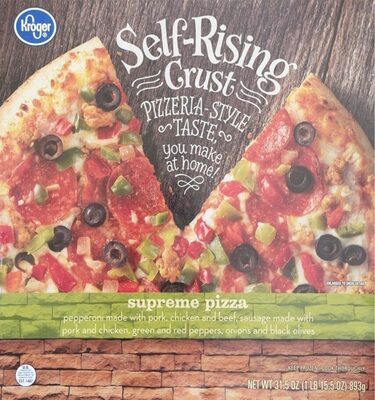 The Kroger Co.
Pizzeria-Style Pepperoni Made With Pork, Chicken And Beef, Sausage Made With Pork And Chicken, Green And Red Peppers, Onions And Black Olives Self-Rising Crust Supreme Pizza, Pizzeria-Style
High in sodium — 33% DV per serving
High in saturated fat — 22% DV per serving
228kcal
8.7Protein
8.7Fat
28.9Carbs
Hy-Vee, Inc.
Pizza A Blend Of Low-Moisture Part-Skim Mozzarella, Not-Smoked Provolone, Parmesan And Romano Finely Shredded Cheeses, Pizza
High in saturated fat — 20% DV per serving
321kcal
25Protein
21.4Fat
7.1Carbs
The Schwan Food Company
Sausage A Crust Topped With Gravy, Sausage, Scrambled Eggs, Mozzarella And Cheddar Cheese Scrambles, Sausage
High in sodium — 31% DV per serving
High in saturated fat — 45% DV per serving
High in cholesterol — 22% DV per serving
247kcal
9.6Protein
11.4Fat
27.7Carbs
The Kroger Co.
Pizzeria-Style Pepperoni Made With Pork, Chicken And Beef, Sausage Made With Pork And Chicken, Green And Red Peppers, Onions And Black Olives Self-Rising Crust Supreme Pizza, Pizzeria-Style
High in sodium — 33% DV per serving
High in saturated fat — 22% DV per serving
228kcal
8.7Protein
8.7Fat
28.9Carbs
Hy-Vee, Inc.
Pizza A Blend Of Low-Moisture Part-Skim Mozzarella, Not-Smoked Provolone, Parmesan And Romano Finely Shredded Cheeses, Pizza
High in saturated fat — 20% DV per serving
321kcal
25Protein
21.4Fat
7.1Carbs
The Schwan Food Company
Sausage A Crust Topped With Gravy, Sausage, Scrambled Eggs, Mozzarella And Cheddar Cheese Scrambles, Sausage
High in sodium — 31% DV per serving
High in saturated fat — 45% DV per serving
High in cholesterol — 22% DV per serving
247kcal
9.6Protein
11.4Fat
27.7Carbs
Learn more
Auto-generated content. This description was generated automatically and is pending editorial review. Inaccuracies are possible. Found a mistake? Contact us.