Cultured Wheat Flour And Lactic Acid
What is Cultured Wheat Flour And Lactic Acid?
Cultured wheat flour is a natural ingredient made by fermenting wheat flour with lactic acid bacteria. This process develops a mild, tangy flavor and can also act as a preservative. It is often used to improve the texture and shelf life of baked goods.
Is Cultured Wheat Flour And Lactic Acid vegan?
Cultured Wheat Flour And Lactic Acid is not animal-derived. Products that contain it can still include other animal-derived ingredients, so check the full ingredient list.
Is Cultured Wheat Flour And Lactic Acid gluten-free?
It contains gluten.
Is Cultured Wheat Flour And Lactic Acid a major allergen?
Cultured wheat flour is derived from wheat, which is one of the 9 FDA major allergens.
What is Cultured Wheat Flour And Lactic Acid used for?
Manufacturers add cultured wheat flour as a natural preservative and to enhance the flavor and texture of baked goods.
Is Cultured Wheat Flour And Lactic Acid safe?
Cultured wheat flour is generally recognized as safe (GRAS) by the FDA for use in food.
Why it's used
Manufacturers add cultured wheat flour as a natural preservative and to enhance the flavor and texture of baked goods. It helps create a desirable crust and crumb in breads and buns, and contributes to the overall taste profile of products like pizza crusts.
Health notes
Cultured wheat flour is generally recognized as safe (GRAS) by the FDA for use in food. It is a fermented grain product and does not have specific health concerns associated with typical consumption levels. Regulatory bodies have not raised specific issues regarding its use in food.
Allergen info
Cultured wheat flour is derived from wheat, which is one of the 9 FDA major allergens. It contains gluten.
Foods that contain Cultured Wheat Flour And Lactic Acid
Compare products →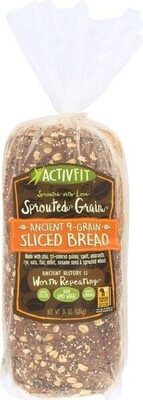 Quaker Bakery Brands, Inc.
Ancient 9-Grain Sprouted Grain Sliced Bread, Ancient 9-Grain
250kcal
11.1Protein
2.8Fat
44.4Carbs
West End Enterprises, LLC
Uncured Pepperoni Pizza
High in sodium — 42% DV per serving
High in saturated fat — 50% DV per serving
269kcal
14.1Protein
15.4Fat
19.2Carbs
Quaker Bakery Brands, Inc.
7-Grain Sprouted Grain Sliced Bread, 7-Grain
250kcal
11.1Protein
4.2Fat
41.7Carbs
Quaker Bakery Brands, Inc.
Ancient 9-Grain Sprouted Grain Sliced Bread, Ancient 9-Grain
250kcal
11.1Protein
2.8Fat
44.4Carbs
West End Enterprises, LLC
Uncured Pepperoni Pizza
High in sodium — 42% DV per serving
High in saturated fat — 50% DV per serving
269kcal
14.1Protein
15.4Fat
19.2Carbs
Quaker Bakery Brands, Inc.
7-Grain Sprouted Grain Sliced Bread, 7-Grain
250kcal
11.1Protein
4.2Fat
41.7Carbs
Learn more
Auto-generated content. This description was generated automatically and is pending editorial review. Inaccuracies are possible. Found a mistake? Contact us.