D-alpha Tocopherol Acetate And Beta Carotene
Auto-generated content. This description was generated automatically and is pending editorial review. Inaccuracies are possible. Found a mistake? Contact us.
What it is
D-alpha-tocopherol acetate is a synthetic form of vitamin E, a fat-soluble vitamin. Beta-carotene is a pigment found in plants, like carrots, that the body can convert into vitamin A. They are often combined and added to foods.
Why it's used
These ingredients are added to foods as a source of vitamin E and vitamin A. They are often found in processed foods like snack bars, juices, and drinks to boost their nutritional content.
Health notes
D-alpha-tocopherol acetate and beta-carotene are recognized as safe by the FDA when used as nutrients. The FDA has established regulations for their use in food. International bodies like JECFA and EFSA have evaluated vitamin E and beta-carotene. At typical intake levels found in fortified foods, they are generally considered safe and beneficial as part of a balanced diet.
Allergen info
Neither D-alpha-tocopherol acetate nor beta-carotene are derived from the 9 FDA major allergens. They do not contain gluten.
Products containing D-alpha Tocopherol Acetate And Beta Carotene
Compare products →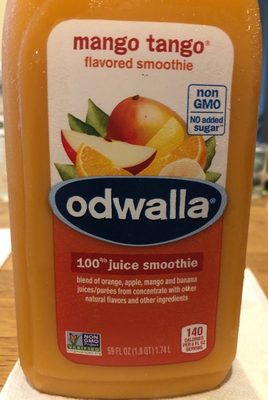 Odwalla, Inc.
Fruit Smoothie Blend, Mango Tango
62kcal
0.4Protein
0.4Fat
14.2Carbs
Odwalla, Inc.
Fruit Smoothie Blend, Mango Tango
62kcal
0.4Protein
0.4Fat
14.2Carbs