Daikon Radish
What is Daikon Radish?
Daikon radish is a large, white Asian radish. It is a root vegetable that can grow up to 18 inches long and weigh several pounds. Daikon is often pickled or fermented for use in various dishes.
Is Daikon Radish vegan?
Daikon Radish is not animal-derived. Products that contain it can still include other animal-derived ingredients, so check the full ingredient list.
Is Daikon Radish gluten-free?
It does not contain gluten.
Is Daikon Radish a major allergen?
Daikon radish is not one of the nine major allergens recognized by the FDA.
What is Daikon Radish used for?
Daikon is used as a vegetable in many Asian cuisines, often pickled or added to soups and stews.
Is Daikon Radish safe?
Daikon radish is a vegetable and is generally recognized as safe (GRAS) by the FDA when used as a food ingredient.
Why it's used
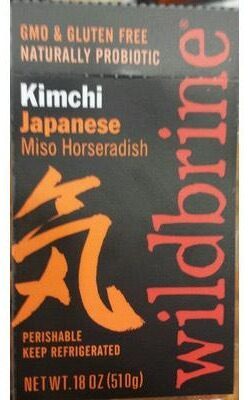
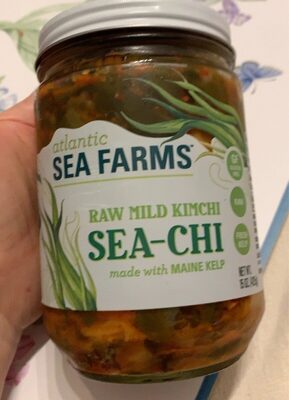
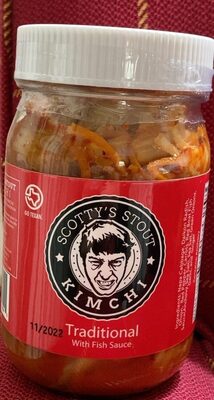
Daikon is used as a vegetable in many Asian cuisines, often pickled or added to soups and stews. In packaged foods, it's commonly found in pickles, olives, relishes, and fermented products like kimchi. It adds a crisp texture and a mild, slightly peppery flavor.
Health notes
Daikon radish is a vegetable and is generally recognized as safe (GRAS) by the FDA when used as a food ingredient. It is a source of vitamins and minerals. Regulatory bodies like JECFA and EFSA have not specifically evaluated daikon radish as a food additive, as it is a whole food ingredient. No significant health concerns are associated with its consumption at typical dietary levels.
Allergen info
Daikon radish is not one of the nine major allergens recognized by the FDA. It does not contain gluten.
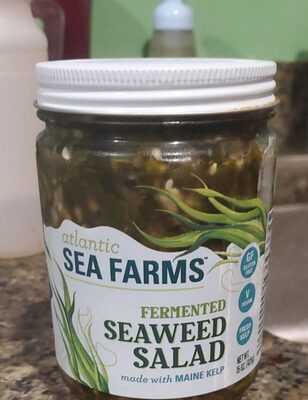
Foods that contain Daikon Radish
Compare products →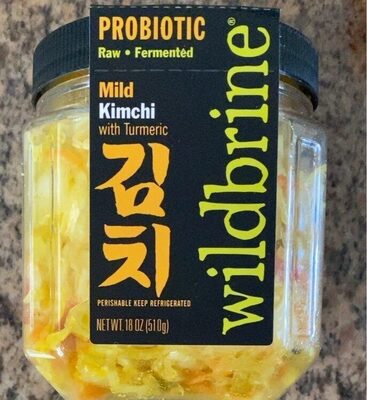
Auto-generated content. This description was generated automatically and is pending editorial review. Inaccuracies are possible. Found a mistake? Contact us.