Datem And Mono-diglycerides
What is Datem And Mono-diglycerides?
DATEM (Diacetyl Tartaric Acid Esters of Mono- and Diglycerides) is an emulsifier made from edible fats and oils. It is produced by reacting mono- and diglycerides with tartaric acid and then esterifying the result with diacetyl tartaric acid.
Is Datem And Mono-diglycerides vegan?
No. Datem And Mono-diglycerides is animal-derived, so it is not vegan.
Is Datem And Mono-diglycerides gluten-free?
It does not contain gluten.
Is Datem And Mono-diglycerides a major allergen?
DATEM is not derived from any of the nine major allergens.
What is Datem And Mono-diglycerides used for?
DATEM is used as an emulsifier and dough conditioner in baked goods, particularly bread and rolls.
Is Datem And Mono-diglycerides safe?
DATEM is generally recognized as safe (GRAS) by the FDA for use in food.
Why it's used
DATEM is used as an emulsifier and dough conditioner in baked goods, particularly bread and rolls. It helps improve dough strength, volume, and texture by strengthening the gluten network.
Health notes
DATEM is generally recognized as safe (GRAS) by the FDA for use in food. It is also approved for use as a food additive in the European Union. International bodies like JECFA and EFSA have evaluated DATEM, and it is considered safe for consumption at typical levels. No significant health concerns have been associated with its use in food.
Allergen info
DATEM is not derived from any of the nine major allergens. It does not contain gluten.
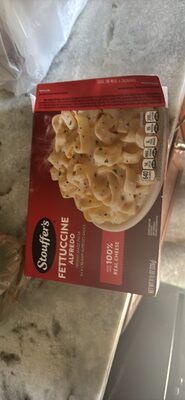
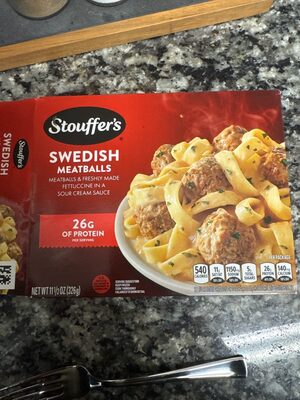
Foods that contain Datem And Mono-diglycerides
Compare products →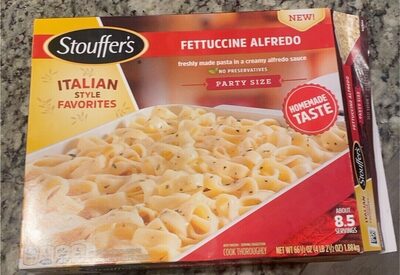



Learn more
Auto-generated content. This description was generated automatically and is pending editorial review. Inaccuracies are possible. Found a mistake? Contact us.