Datem
What is Datem?
DATEM, or Diacetyl Tartaric Acid Esters of Mono- and Diglycerides, is an emulsifier. It is made by reacting diacetyl tartaric acid with mono- and diglycerides, which are themselves derived from glycerol and fatty acids (often from vegetable oils). This process creates a molecule that helps mix ingredients that normally separate, like oil and water.
Is Datem a major allergen?
DATEM is not considered a major allergen.
What is Datem used for?
Manufacturers add DATEM primarily as an emulsifier and dough conditioner.
Is Datem safe?
In the United States, DATEM is an FDA-approved food additive.
Why it's used
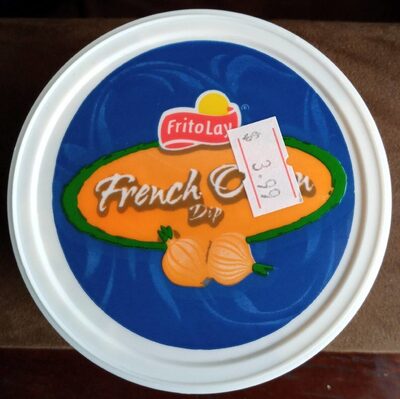
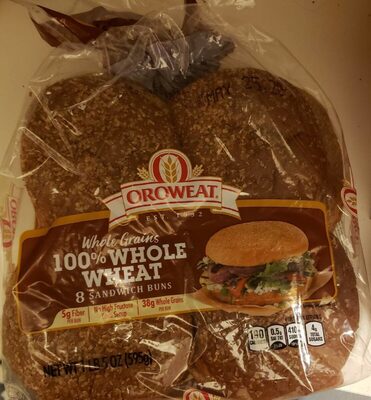
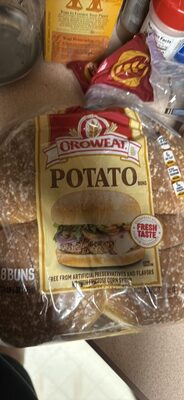
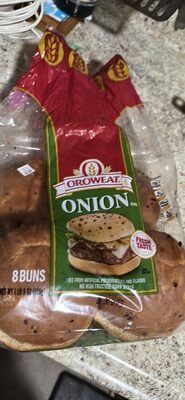
Manufacturers add DATEM primarily as an emulsifier and dough conditioner. In baked goods like bread, rolls, and crackers, it helps strengthen the dough, improve its texture, and increase loaf volume. It is also used in some dips and sauces to create a smooth, stable mixture.
Health notes
In the United States, DATEM is an FDA-approved food additive. The Joint FAO/WHO Expert Committee on Food Additives (JECFA) has evaluated DATEM and set an acceptable daily intake. The European Food Safety Authority (EFSA) has also evaluated its safety. At typical intake levels, DATEM is generally considered safe. There are no notable controversies regarding its safety supported by scientific evidence.
Allergen info
DATEM is not considered a major allergen. While the fatty acids used to make mono- and diglycerides can come from sources like soy or other vegetable oils, the final ingredient itself is not typically a concern for common food allergies.
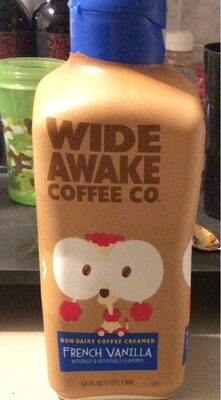
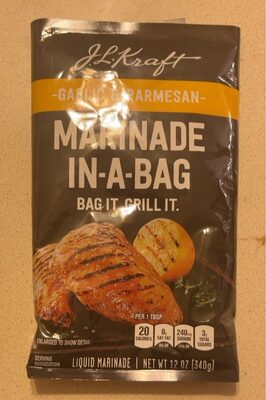
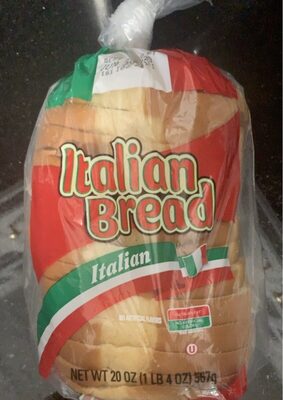
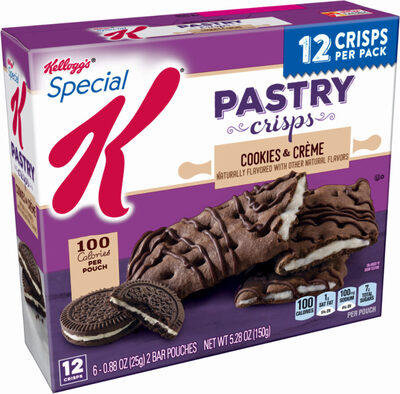
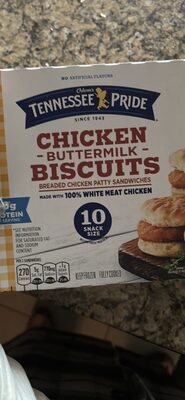
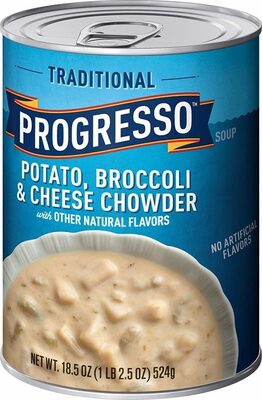
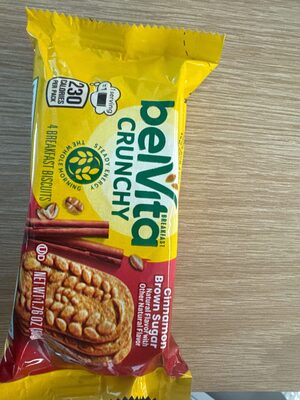
Foods that contain Datem
Compare products →



 Kellogg Company US
Keebler Sandies Cookies Shortbread Bites 1oz
467kcal
5.2Protein
17.2Fat
73.9Carbs




Learn more
Auto-generated content. This description was generated automatically and is pending editorial review. Inaccuracies are possible. Found a mistake? Contact us.