Dehydrated Carrot
What is Dehydrated Carrot?
Dehydrated carrot is made from carrots that have had most of their water removed through drying. This process concentrates the carrot's flavor and nutrients and makes it shelf-stable. The dried carrots are often ground into a powder or cut into small pieces.
Is Dehydrated Carrot vegan?
Dehydrated Carrot is not animal-derived. Products that contain it can still include other animal-derived ingredients, so check the full ingredient list.
Is Dehydrated Carrot gluten-free?
They do not contain gluten.
Is Dehydrated Carrot a major allergen?
Carrots are not one of the nine major allergens recognized by the FDA.
What is Dehydrated Carrot used for?
Manufacturers use dehydrated carrot for its natural sweetness, color, and flavor.
Is Dehydrated Carrot safe?
Dehydrated carrot is generally recognized as safe (GRAS) by the FDA for use in food.
Why it's used
Manufacturers use dehydrated carrot for its natural sweetness, color, and flavor. It is commonly added to seasoning mixes, soups, marinades, and rice dishes. It can also be used as a natural coloring agent in some food products.
Health notes
Dehydrated carrot is generally recognized as safe (GRAS) by the FDA for use in food. It is a source of beta-carotene, which the body converts to vitamin A. The Joint FAO/WHO Expert Committee on Food Additives (JECFA) has evaluated it, and the European Food Safety Authority (EFSA) has also reviewed its use. At typical consumption levels, it is considered safe and contributes to nutrient intake.
Allergen info
Carrots are not one of the nine major allergens recognized by the FDA. They do not contain gluten.
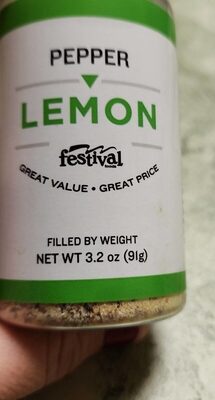
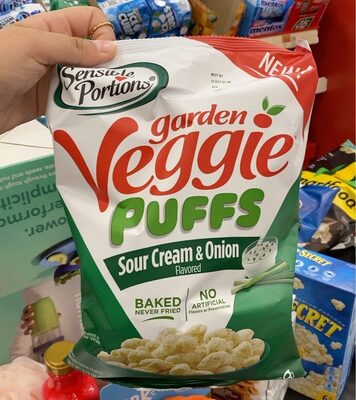
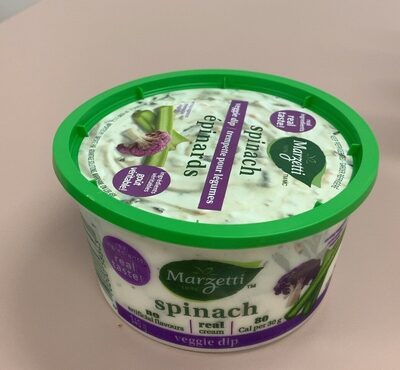
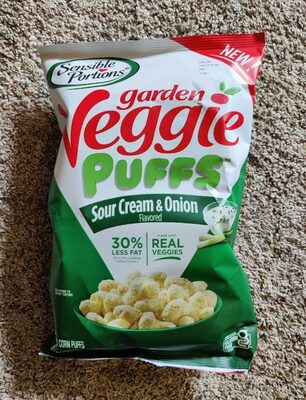
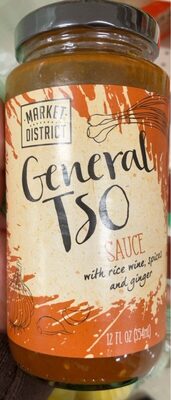
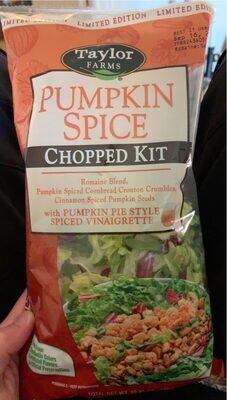
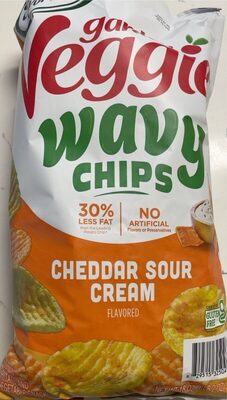
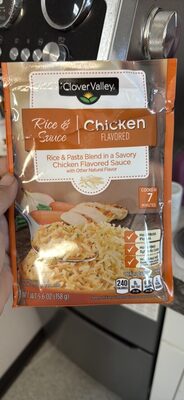
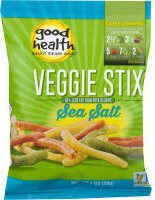
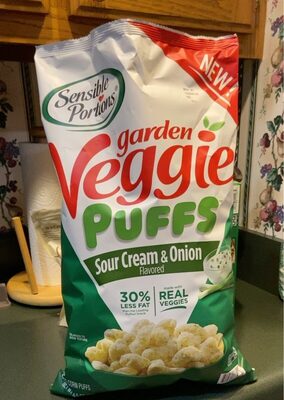
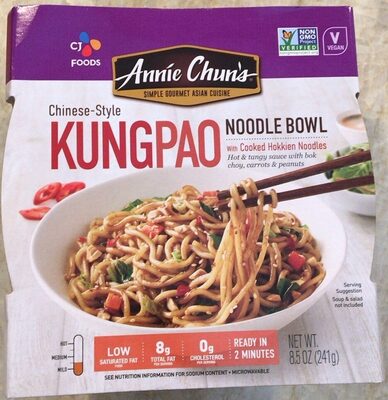
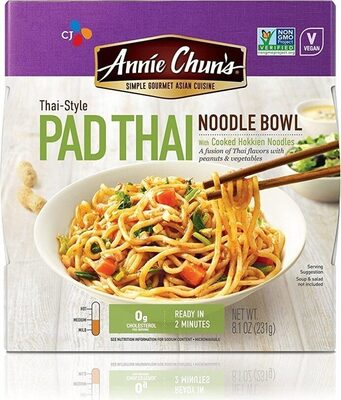
Foods that contain Dehydrated Carrot
Compare products →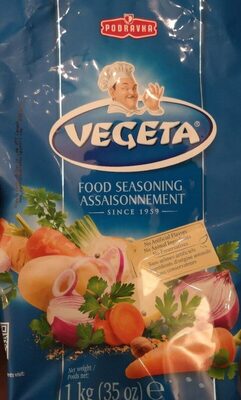
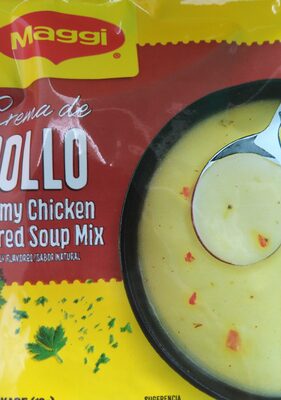
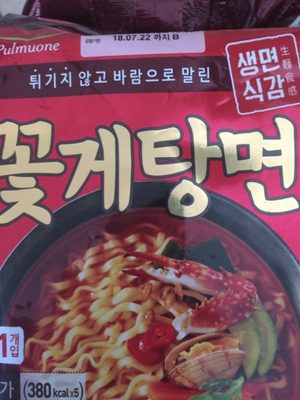
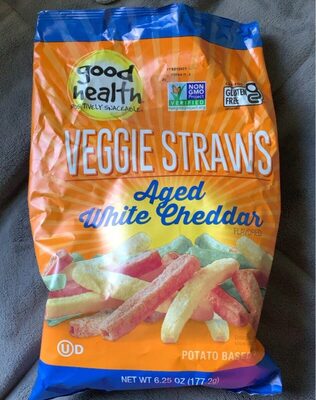
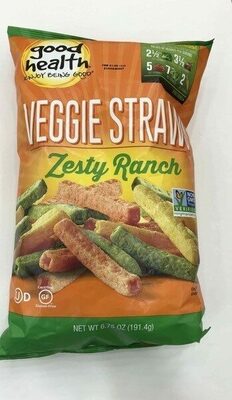
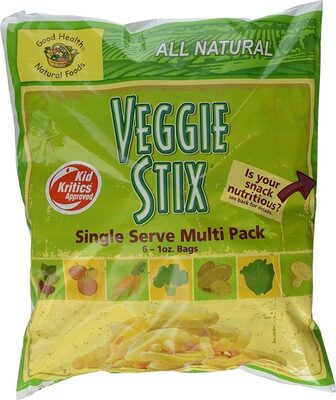
Auto-generated content. This description was generated automatically and is pending editorial review. Inaccuracies are possible. Found a mistake? Contact us.