Dehydrated Chive
What is Dehydrated Chive?
Dehydrated chives are dried and often ground pieces of the chive plant (Allium schoenoprasum). Chives are a perennial herb related to onions and garlic, native to Europe and Asia. Drying removes moisture, concentrating their flavor and extending shelf life.
Is Dehydrated Chive vegan?
Dehydrated Chive is not animal-derived. Products that contain it can still include other animal-derived ingredients, so check the full ingredient list.
Is Dehydrated Chive a major allergen?
Not a major allergen.
What is Dehydrated Chive used for?
Dehydrated chives are used to add a mild oniony, garlicky flavor and aroma to foods.
Is Dehydrated Chive safe?
Dehydrated chives are generally recognized as safe (GRAS) by the FDA when used as a food ingredient.
Why it's used
Dehydrated chives are used to add a mild oniony, garlicky flavor and aroma to foods. They are commonly found in dry mixes, spice blends, and as a seasoning in processed foods like cheese products, salad dressings, dips, and rice dishes.
Health notes
Dehydrated chives are generally recognized as safe (GRAS) by the FDA when used as a food ingredient. They are a source of some vitamins and minerals, though amounts are small due to processing. International bodies like JECFA and EFSA have evaluated many food ingredients, but specific evaluations for dehydrated chives are not widely publicized. No significant health controversies are associated with their consumption at typical dietary levels.
Allergen info
Not a major allergen. Chives are not among the nine major food allergens identified by the FDA.
Foods that contain Dehydrated Chive
Compare products →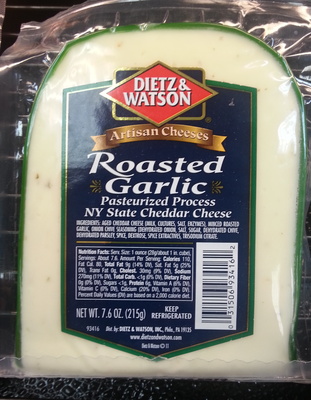
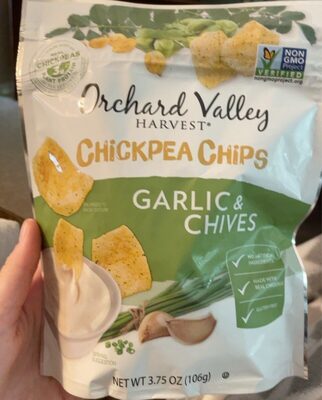
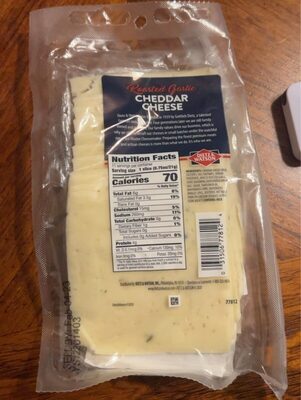
Learn more
Auto-generated content. This description was generated automatically and is pending editorial review. Inaccuracies are possible. Found a mistake? Contact us.