Dehydrated Milk
Auto-generated content. This description was generated automatically and is pending editorial review. Inaccuracies are possible. Found a mistake? Contact us.
What it is
Dehydrated milk, also known as milk powder, is made by removing water from pasteurized milk. This process concentrates the milk solids and can be done through spray drying or vacuum drying.
Why it's used
Manufacturers add dehydrated milk for its concentrated dairy flavor and nutritional value. It also acts as a binder, emulsifier, and leavening agent in baked goods, confectionery, and convenience foods.
Health notes
Dehydrated milk is generally recognized as safe (GRAS) by the FDA for use in food. It provides nutrients like calcium and protein. The Joint FAO/WHO Expert Committee on Food Additives (JECFA) has evaluated dehydrated milk, and the European Food Safety Authority (EFSA) has also assessed milk and milk constituents. Typical consumption as part of a balanced diet is not associated with adverse health effects.
Allergen info
Dehydrated milk is derived from milk, which is one of the 9 FDA major allergens. It does not contain gluten.
Products containing Dehydrated Milk
Compare products →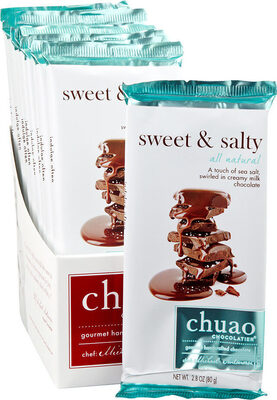 Chuao Chocolatier
, Gourmet Handcrafted Chocolate, Sweet & Salty, Sweet & Salty
High in saturated fat — 45% DV per serving
525kcal
7.5Protein
37.5Fat
52.5Carbs
Haydel's Enterprises Inc
Hand Pie, Chocolate
High in saturated fat — 30% DV per serving
298kcal
3.5Protein
14.9Fat
36.8Carbs
Chuao Chocolatier
Crispy Honey Gingerbread Bits Wrapped In Milk Chocolate
High in saturated fat — 40% DV per serving
500kcal
7.5Protein
32.5Fat
57.5Carbs
Chuao Chocolatier
Chuao Chocolatier, Strawberry Waffle Wild
High in saturated fat — 35% DV per serving
525kcal
7.5Protein
30Fat
57.5Carbs
Haydel's Enterprises Inc
Gourmet New Orleans Hand Pie, Blueberry
High in saturated fat — 25% DV per serving
292kcal
3.5Protein
12.4Fat
41.6Carbs
Chuao Chocolatier
Chuao Chocolatier, Gourmet Handcrafted Chocolate, Sweet & Salty, Sweet & Salty
High in saturated fat — 45% DV per serving
525kcal
7.5Protein
37.5Fat
52.5Carbs
Haydel's Enterprises Inc
Hand Pie, Chocolate
High in saturated fat — 30% DV per serving
298kcal
3.5Protein
14.9Fat
36.8Carbs
Chuao Chocolatier
Crispy Honey Gingerbread Bits Wrapped In Milk Chocolate
High in saturated fat — 40% DV per serving
500kcal
7.5Protein
32.5Fat
57.5Carbs
Chuao Chocolatier
Chuao Chocolatier, Strawberry Waffle Wild
High in saturated fat — 35% DV per serving
525kcal
7.5Protein
30Fat
57.5Carbs
Haydel's Enterprises Inc
Gourmet New Orleans Hand Pie, Blueberry
High in saturated fat — 25% DV per serving
292kcal
3.5Protein
12.4Fat
41.6Carbs