Di-alphatocopheryl Acetate
Auto-generated content. This description was generated automatically and is pending editorial review. Inaccuracies are possible. Found a mistake? Contact us.
What it is
Di-alpha-tocopheryl acetate is a synthetic form of vitamin E. It is made by chemically combining alpha-tocopherol (vitamin E) with acetic acid. Alpha-tocopherol is naturally found in vegetable oils, nuts, and seeds.
Why it's used
Manufacturers add di-alpha-tocopheryl acetate to foods as a source of vitamin E, which acts as an antioxidant. It helps protect fats and oils in foods from becoming rancid, extending shelf life. It is commonly found in fortified foods like breakfast cereals, snack bars, and beverages.
Health notes
Di-alpha-tocopheryl acetate is generally recognized as safe (GRAS) by the FDA for use as a nutrient and antioxidant. Vitamin E is an essential nutrient that plays a role in immune function and cell protection. International bodies like JECFA have evaluated vitamin E compounds and established acceptable daily intakes. Evidence does not suggest adverse effects at typical dietary intake levels.
Allergen info
Di-alpha-tocopheryl acetate is not derived from any of the nine FDA major allergens. It does not contain gluten.
Products containing Di-alphatocopheryl Acetate
Compare products →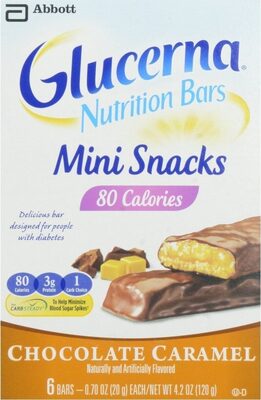 Abbott Laboratories Inc
Chocolate Caramel Mini Treats Bars, Chocolate Caramel
400kcal
15Protein
15Fat
60Carbs
Abbott Laboratories Inc
Chocolate Caramel Mini Treats Bars, Chocolate Caramel
400kcal
15Protein
15Fat
60Carbs
 Abbott Laboratories Inc
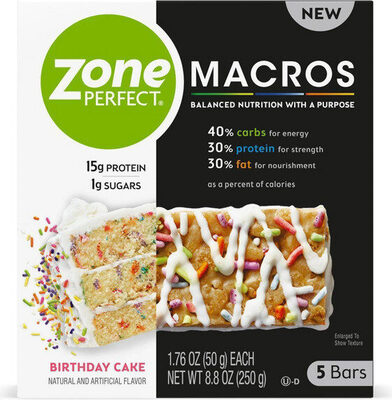
Birthday Cake Macros Bars, Birthday Cake
High in saturated fat — 25% DV per serving
420kcal
30Protein
14Fat
42Carbs
Abbott Laboratories Inc
Birthday Cake Macros Bars, Birthday Cake
High in saturated fat — 25% DV per serving
420kcal
30Protein
14Fat
42Carbs
 Abbott Laboratories Inc
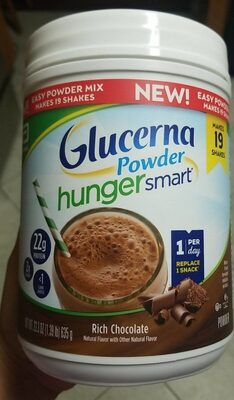
Rich Chocolate Easy Glucerna Powder Mix, Rich Chocolate
394kcal
66.7Protein
7.6Fat
15.2Carbs
Abbott Laboratories Inc
Rich Chocolate Easy Glucerna Powder Mix, Rich Chocolate
394kcal
66.7Protein
7.6Fat
15.2Carbs