Diacetyl
What is Diacetyl?
Diacetyl is a yellow liquid with a strong buttery odor. It occurs naturally in some dairy products like butter and cheese, and is also produced during fermentation by certain bacteria and yeasts. It can be manufactured synthetically for use as a food flavoring.
Is Diacetyl gluten-free?
Diacetyl is not derived from any of the nine FDA major allergens and does not contain gluten.
What is Diacetyl used for?
Diacetyl is primarily used as a flavoring agent to impart a buttery taste and aroma.
Is Diacetyl safe?
Diacetyl is generally recognized as safe (GRAS) by the FDA for use as a flavoring ingredient.
Why it's used
Diacetyl is primarily used as a flavoring agent to impart a buttery taste and aroma. It is found in a variety of processed foods, including baked goods, snacks, and dairy products, to enhance their flavor profile.
Health notes
Diacetyl is generally recognized as safe (GRAS) by the FDA for use as a flavoring ingredient. However, concerns have been raised about potential respiratory issues, particularly for workers exposed to high concentrations in flavoring manufacturing facilities. Regulatory bodies like JECFA and EFSA have evaluated diacetyl, but no specific numeric limits are typically stated in public summaries. Research into the long-term health effects of consuming diacetyl at typical food levels is ongoing.
Allergen info
Diacetyl is not derived from any of the nine FDA major allergens and does not contain gluten.
Foods that contain Diacetyl
Compare products →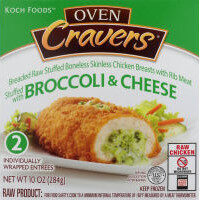
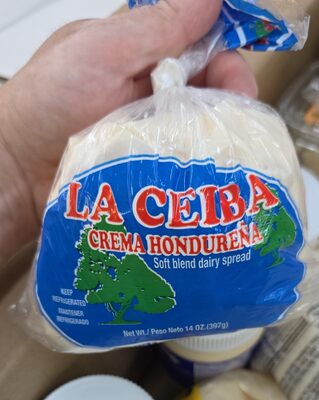
Learn more
Auto-generated content. This description was generated automatically and is pending editorial review. Inaccuracies are possible. Found a mistake? Contact us.