Diluted With Water To 4% Acidity
Auto-generated content. This description was generated automatically and is pending editorial review. Inaccuracies are possible. Found a mistake? Contact us.
What it is
This is vinegar that has been diluted with water to a 4% acidity level. Vinegar is typically made by a two-step fermentation process involving sugars from sources like grains or fruit, first converted to alcohol and then to acetic acid by bacteria.
Why it's used
Manufacturers add diluted vinegar to foods primarily to act as an acidity regulator and preservative. Its tart flavor also contributes to the taste profile. It is commonly found in pickles, olives, relishes, salad dressings, and marinades.
Health notes
Vinegar is generally recognized as safe (GRAS) by the FDA for use in food. Acetic acid, the main component of vinegar, is not associated with significant health concerns at the levels typically consumed through food. International bodies like JECFA have evaluated acetic acid and its salts, but no specific numeric limits are relevant to diluted vinegar in food.
Allergen info
Vinegar is not derived from any of the 9 FDA major allergens. It does not contain gluten.
Products containing Diluted With Water To 4% Acidity
Compare products →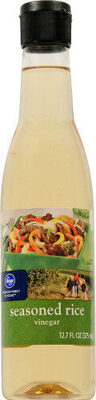 The Kroger Co.
Seasoned Rice Vinegar
100kcal
0Protein
0Fat
26.7Carbs
The Kroger Co.
Seasoned Rice Vinegar
100kcal
0Protein
0Fat
26.7Carbs
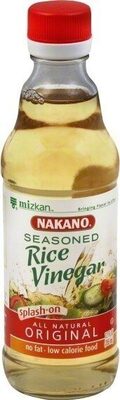 Mizkan America, Inc.
Organic Sweetened Seasoned Rice Vinegar, Sweetened, Seasoned
100kcal
0Protein
0Fat
26.7Carbs
Mizkan America, Inc.
Citrus Rice Vinegar, Citrus
100kcal
0Protein
0Fat
26.7Carbs
Mizkan America, Inc.
Organic Sweetened Seasoned Rice Vinegar, Sweetened, Seasoned
100kcal
0Protein
0Fat
26.7Carbs
Mizkan America, Inc.
Citrus Rice Vinegar, Citrus
100kcal
0Protein
0Fat
26.7Carbs
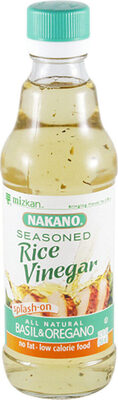 Mizkan America, Inc.
Basil & Oregano Flavored Rice Vinegar, Basil & Oregano
100kcal
0Protein
0Fat
26.7Carbs
Mizkan America, Inc.
Basil & Oregano Flavored Rice Vinegar, Basil & Oregano
100kcal
0Protein
0Fat
26.7Carbs