Dough Improver Blend
Auto-generated content. This description was generated automatically and is pending editorial review. Inaccuracies are possible. Found a mistake? Contact us.
What it is
A dough improver blend is a mixture of ingredients used to enhance the texture, volume, and shelf life of baked goods. These blends often contain a combination of flour, oxidizing agents, reducing agents, and emulsifiers. They are typically manufactured by food ingredient companies for use by commercial bakeries.
Why it's used
Manufacturers add dough improver blends to improve dough handling, increase loaf volume, and create a finer crumb structure in products like breads, cakes, and frozen dough. They help create a more consistent and desirable texture in baked goods.
Health notes
Dough improver blends are generally recognized as safe (GRAS) by the FDA when used as intended. The individual components of these blends have been evaluated by regulatory bodies. For example, ascorbic acid, a common component, is widely used and considered safe. Some components may have been evaluated by JECFA or EFSA, but specific evaluations for the blend as a whole are not typically listed. Evidence does not suggest adverse health effects from typical consumption levels.
Allergen info
The primary ingredient in many dough improver blends is flour, which is often wheat-based. Therefore, it may contain gluten and is not suitable for individuals with celiac disease or gluten sensitivity. Wheat is one of the 9 FDA major allergens.
Products containing Dough Improver Blend
Compare products →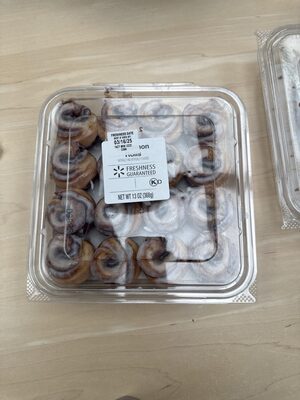 Wal-Mart Stores, Inc.
Cinnamon Rolls
271kcal
2.9Protein
11.4Fat
40Carbs
Harris-Teeter Inc.
Junior Plain Bagel, Junior Plain
211kcal
5.3Protein
1.8Fat
38.6Carbs
Wal-Mart Stores, Inc.
Cinnamon Rolls
271kcal
2.9Protein
11.4Fat
40Carbs
Harris-Teeter Inc.
Junior Plain Bagel, Junior Plain
211kcal
5.3Protein
1.8Fat
38.6Carbs
 Wal-Mart Stores, Inc.
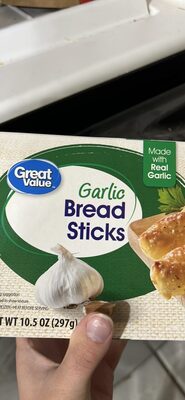
Garlic Bread Sticks, Garlic
300kcal
12Protein
10Fat
44Carbs
Wal-Mart Stores, Inc.
Garlic Bread Sticks, Garlic
300kcal
12Protein
10Fat
44Carbs
 Wal-Mart Stores, Inc.
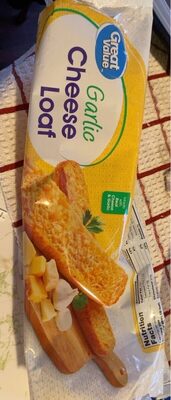
Garlic Cheese Loaf, Garlic
339kcal
8.9Protein
17.9Fat
35.7Carbs
Wal-Mart Stores, Inc.
Garlic Cheese Loaf, Garlic
339kcal
8.9Protein
17.9Fat
35.7Carbs