Dried Bok Choy
What is Dried Bok Choy?
Dried bok choy is a leafy green vegetable, a type of Chinese cabbage, that has been dehydrated. It is grown and harvested, then typically dried to preserve it for longer storage and transport. The drying process concentrates its flavor and nutrients.
Is Dried Bok Choy vegan?
Dried Bok Choy is not animal-derived. Products that contain it can still include other animal-derived ingredients, so check the full ingredient list.
Is Dried Bok Choy gluten-free?
It does not contain gluten.
Is Dried Bok Choy a major allergen?
Bok choy is not one of the nine major allergens recognized by the FDA.
What is Dried Bok Choy used for?
Manufacturers use dried bok choy to add a mild, slightly bitter flavor and a tender texture to foods.
Is Dried Bok Choy safe?
Bok choy is a nutrient-dense vegetable, providing vitamins and minerals.
Why it's used
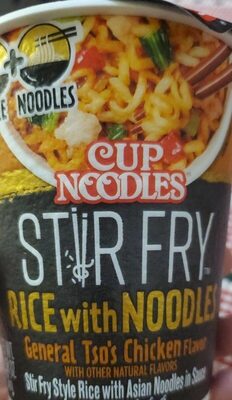
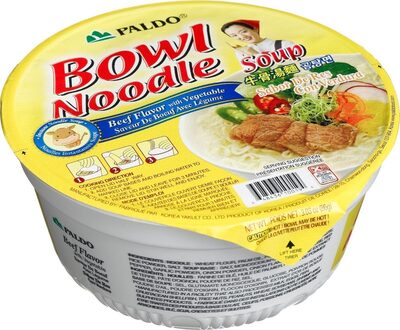
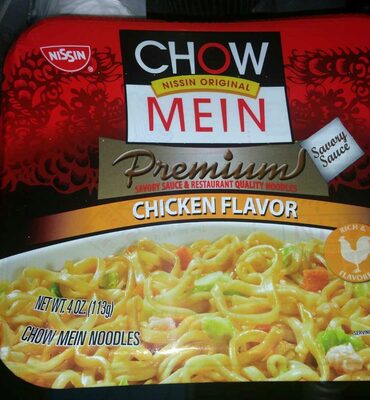
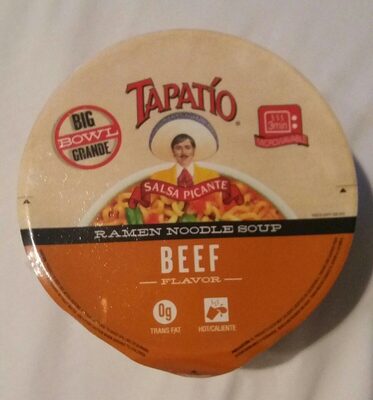
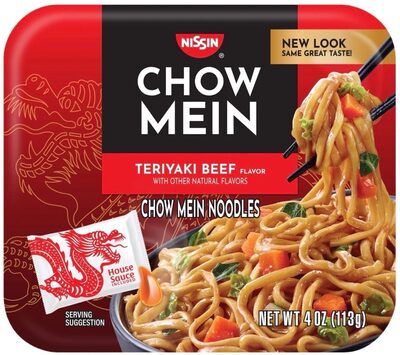
Manufacturers use dried bok choy to add a mild, slightly bitter flavor and a tender texture to foods. It is often rehydrated and added to soups, stews, stir-fries, and noodle dishes. Its vegetable content also contributes to the overall nutritional profile of the product.
Health notes
Bok choy is a nutrient-dense vegetable, providing vitamins and minerals. In its dried form, it retains many of these nutrients. The FDA generally recognizes vegetables as safe for consumption. International bodies like EFSA have evaluated various vegetables and their components, but specific evaluations for dried bok choy as a food ingredient are not widely publicized.
Allergen info
Bok choy is not one of the nine major allergens recognized by the FDA. It does not contain gluten.
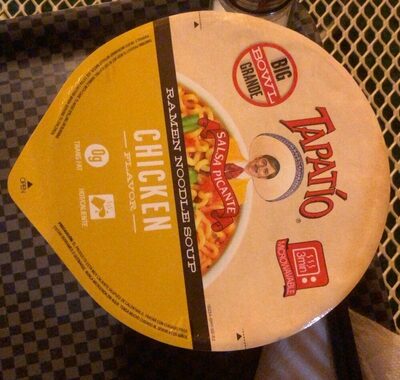
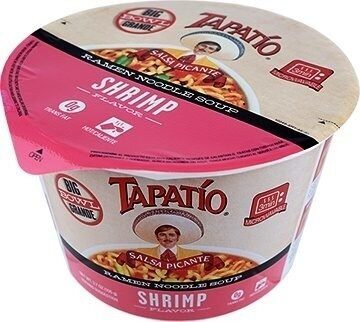
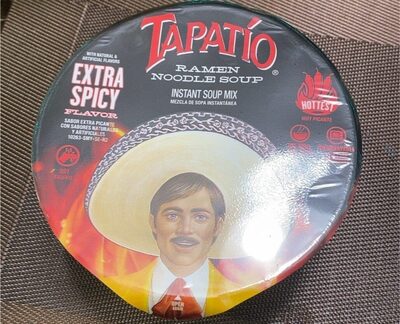
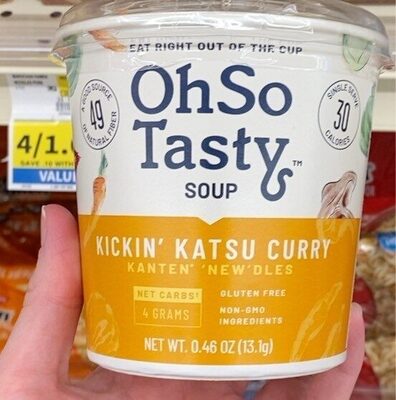
Foods that contain Dried Bok Choy
Compare products →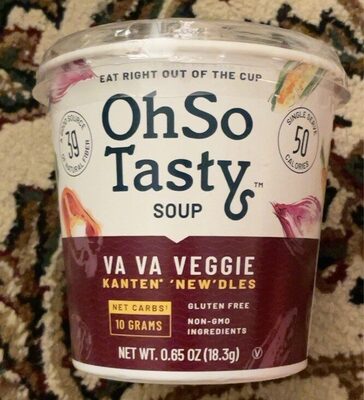
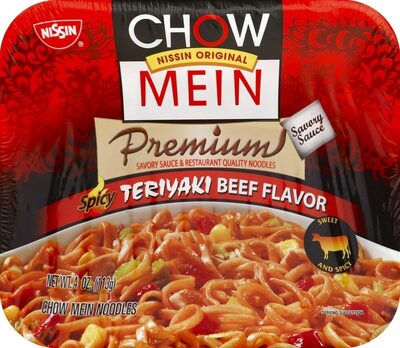

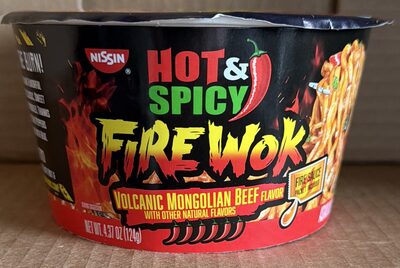
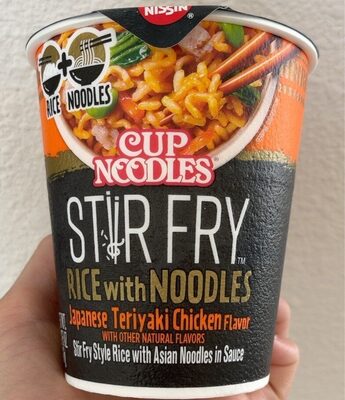

Auto-generated content. This description was generated automatically and is pending editorial review. Inaccuracies are possible. Found a mistake? Contact us.