Dried Gluten
What is Dried Gluten?
Dried gluten is a protein found in wheat, barley, and rye. It is the main protein in wheat flour and is what gives dough its elastic quality. To make dried gluten, wheat flour is washed to remove the starch, leaving behind the gluten, which is then dried.
Is Dried Gluten vegan?
Dried Gluten is not animal-derived. Products that contain it can still include other animal-derived ingredients, so check the full ingredient list.
Is Dried Gluten gluten-free?
Gluten is derived from wheat, which is one of the 9 FDA major allergens.
What is Dried Gluten used for?
Manufacturers add dried gluten to foods to improve texture and elasticity, especially in baked goods.
Is Dried Gluten safe?
In the US, dried gluten is generally recognized as safe (GRAS) by the FDA when used as intended.
Why it's used
Manufacturers add dried gluten to foods to improve texture and elasticity, especially in baked goods. It helps dough rise and gives bread a chewier texture. It is often found in breads, crackers, pizza crusts, and other baked snacks.
Health notes
In the US, dried gluten is generally recognized as safe (GRAS) by the FDA when used as intended. For individuals with celiac disease or non-celiac gluten sensitivity, consuming gluten can cause adverse health effects. The WHO/IARC has not classified gluten. There is ongoing research into the health effects of gluten for the general population.
Allergen info
Gluten is derived from wheat, which is one of the 9 FDA major allergens. Therefore, foods containing dried gluten must be labeled as containing wheat.
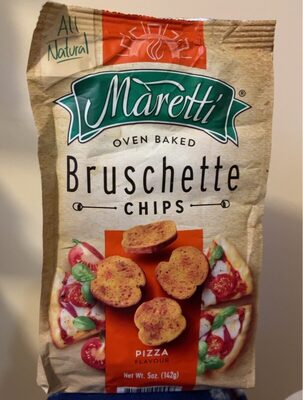
Foods that contain Dried Gluten
Compare products →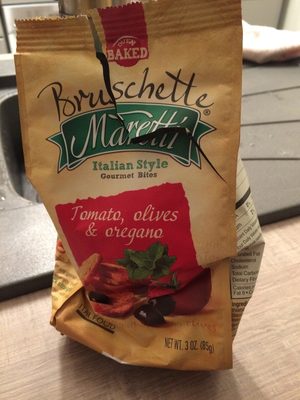
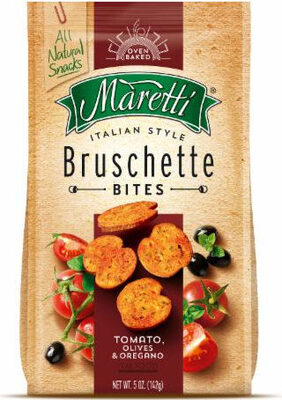
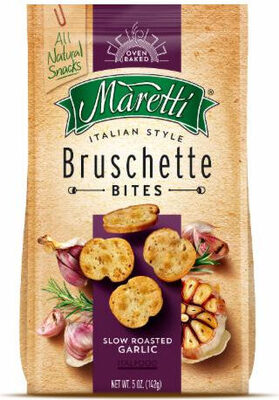
Learn more
Auto-generated content. This description was generated automatically and is pending editorial review. Inaccuracies are possible. Found a mistake? Contact us.