Dried Red Chili Peppers
What is Dried Red Chili Peppers?
Dried red chili peppers are the mature fruits of plants from the genus Capsicum, which have been dried to preserve them. They are grown worldwide and are a staple in many cuisines. Drying concentrates their flavor and heat.
Is Dried Red Chili Peppers vegan?
Dried Red Chili Peppers is not animal-derived. Products that contain it can still include other animal-derived ingredients, so check the full ingredient list.
Is Dried Red Chili Peppers a major allergen?
Not a major allergen.
What is Dried Red Chili Peppers used for?
Dried red chili peppers are primarily used to add heat and flavor to foods.
Is Dried Red Chili Peppers safe?
Dried red chili peppers are generally recognized as safe (GRAS) by the FDA when used as a food ingredient.
Why it's used
Dried red chili peppers are primarily used to add heat and flavor to foods. They can be used whole, crushed, or ground into powders. They are common in ethnic sauces, snacks, frozen meals, and spice blends.
Health notes
Dried red chili peppers are generally recognized as safe (GRAS) by the FDA when used as a food ingredient. They contain capsaicin, the compound responsible for their heat, which may have some health effects. Some research suggests capsaicin may influence metabolism or pain perception, but evidence is mixed and more studies are needed. The WHO and other international bodies have not set specific intake limits for chili peppers.
Allergen info
Not a major allergen. Chili peppers are botanically fruits and are not related to the nine major allergens.
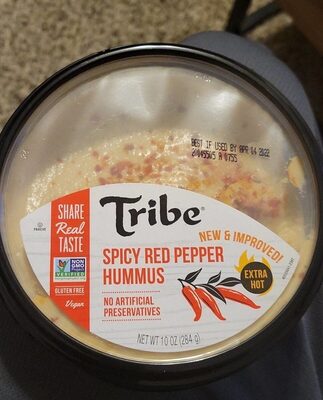
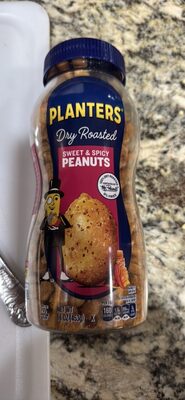
Foods that contain Dried Red Chili Peppers
Compare products →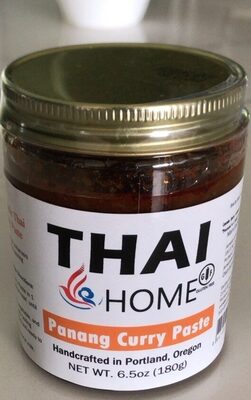
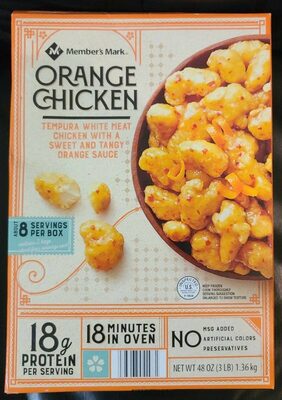
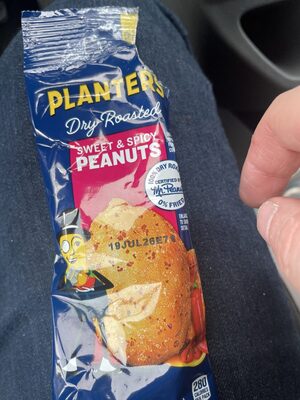

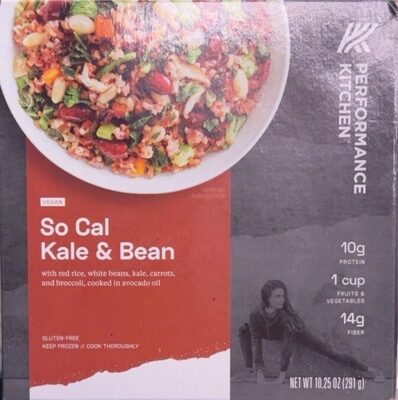

Auto-generated content. This description was generated automatically and is pending editorial review. Inaccuracies are possible. Found a mistake? Contact us.