Dried Red Chillies
What is Dried Red Chillies?
Dried red chillies are the dehydrated fruits of plants from the genus Capsicum. They are typically sun-dried or mechanically dried to reduce moisture content, which helps preserve them and concentrate their flavor and heat. Varieties range from mild to intensely hot.
Is Dried Red Chillies vegan?
Dried Red Chillies is not animal-derived. Products that contain it can still include other animal-derived ingredients, so check the full ingredient list.
Is Dried Red Chillies a major allergen?
Not a major allergen.
What is Dried Red Chillies used for?
Dried red chillies are used to add heat, flavor, and color to a wide variety of dishes.
Is Dried Red Chillies safe?
Dried red chillies are generally recognized as safe (GRAS) by the FDA for use as a food ingredient.
Why it's used
Dried red chillies are used to add heat, flavor, and color to a wide variety of dishes. They are a key ingredient in many cuisines worldwide, often ground into powders or flakes, or rehydrated for use in sauces, stews, and marinades. Manufacturers use them to provide a spicy kick and complex flavor profile.
Health notes
Dried red chillies are generally recognized as safe (GRAS) by the FDA for use as a food ingredient. The primary active compound, capsaicin, is responsible for their heat and has been studied for various health effects, though evidence is mixed and often based on concentrated extracts rather than typical dietary intake. JECFA has evaluated capsaicin and established an acceptable daily intake. While generally safe in food amounts, excessive consumption can cause digestive upset.
Allergen info
Not a major allergen.
Foods that contain Dried Red Chillies
Compare products →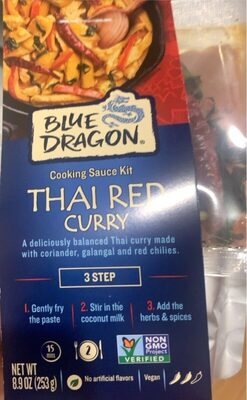
Auto-generated content. This description was generated automatically and is pending editorial review. Inaccuracies are possible. Found a mistake? Contact us.