Dried Sausage
What is Dried Sausage?
Dried sausage is a type of sausage that has been preserved by drying, often after fermentation. It is typically made from ground meat, such as pork or beef, mixed with fat, spices, and curing agents. The drying process removes moisture, which helps prevent spoilage and concentrates the flavors.
Is Dried Sausage vegan?
No. Dried Sausage is animal-derived, so it is not vegan.
Is Dried Sausage a major allergen?
Dried sausage itself is not a major allergen.
What is Dried Sausage used for?
Manufacturers add dried sausage to products primarily for its distinct savory flavor, texture, and protein content.
Is Dried Sausage safe?
The FDA regulates dried sausage as a food product, not a food additive.
Why it's used
Manufacturers add dried sausage to products primarily for its distinct savory flavor, texture, and protein content. It is used as a primary ingredient or flavoring component in various prepared foods. Common applications include soups, pasta dishes, and breakfast items.
Health notes
The FDA regulates dried sausage as a food product, not a food additive. As a processed meat, it can be a source of sodium, saturated fat, and cholesterol. The International Agency for Research on Cancer (IARC) classifies processed meat, which includes dried sausage, as carcinogenic to humans (Group 1). JECFA and EFSA typically evaluate food additives and have not evaluated dried sausage as an additive.
Allergen info
Dried sausage itself is not a major allergen. However, some formulations may contain ingredients derived from major allergens like soy or wheat, so checking specific product labels is important.
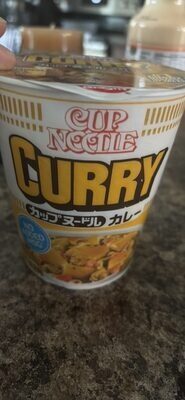
Foods that contain Dried Sausage
Compare products →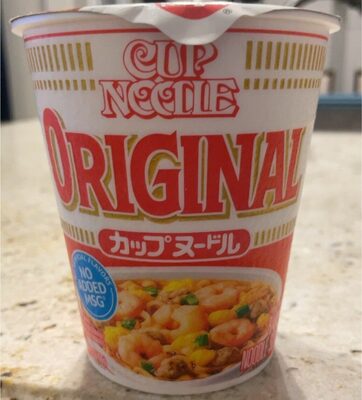

Learn more
Auto-generated content. This description was generated automatically and is pending editorial review. Inaccuracies are possible. Found a mistake? Contact us.