Dry Ginger
What is Dry Ginger?
Dry ginger is made from the rhizome (underground stem) of the ginger plant, Zingiber officinale. The rhizomes are washed, sometimes peeled, and then dried, either naturally in the sun or using mechanical dryers. The dried ginger is then typically ground into a powder.
Is Dry Ginger vegan?
Dry Ginger is not animal-derived. Products that contain it can still include other animal-derived ingredients, so check the full ingredient list.
Is Dry Ginger gluten-free?
It does not contain gluten.
Is Dry Ginger a major allergen?
Dry ginger is not one of the 9 FDA major allergens.
What is Dry Ginger used for?
Dry ginger is primarily used as a spice to add a warm, pungent flavor to foods.
Is Dry Ginger safe?
Dry ginger is generally recognized as safe (GRAS) by the FDA when used as a food ingredient.
Why it's used
Dry ginger is primarily used as a spice to add a warm, pungent flavor to foods. It is a common ingredient in spice blends, baked goods, curries, marinades, and sauces. It can also be used in beverages like ginger ale and tea.
Health notes
Dry ginger is generally recognized as safe (GRAS) by the FDA when used as a food ingredient. It has been used for centuries in traditional medicine for digestive issues and nausea. Scientific reviews suggest ginger may have anti-inflammatory and antioxidant properties. JECFA has evaluated ginger and established specifications for its use as a flavoring agent.
Allergen info
Dry ginger is not one of the 9 FDA major allergens. It does not contain gluten.
Foods that contain Dry Ginger
Compare products →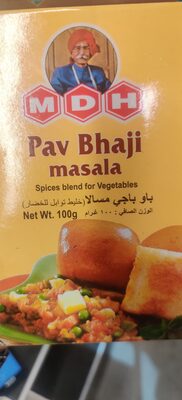
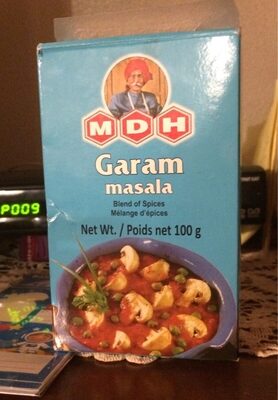
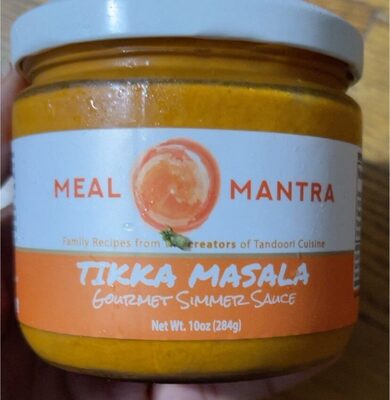
Learn more
Auto-generated content. This description was generated automatically and is pending editorial review. Inaccuracies are possible. Found a mistake? Contact us.