Dry Grated Parmesan Cheese
What is Dry Grated Parmesan Cheese?
Dry grated Parmesan cheese is a hard, granular cheese made from cow's milk. It is aged for a specific period, then dried and grated into fine particles. This process gives it a distinct savory flavor and a firm texture.
Is Dry Grated Parmesan Cheese vegan?
No. Dry Grated Parmesan Cheese is animal-derived, so it is not vegan.
Is Dry Grated Parmesan Cheese a major allergen?
Parmesan cheese is derived from milk, which is one of the nine major food allergens identified by the FDA.
What is Dry Grated Parmesan Cheese used for?
Manufacturers add dry grated Parmesan cheese to products primarily for its characteristic savory, umami flavor and its texture.
Is Dry Grated Parmesan Cheese safe?
Dry grated Parmesan cheese is generally recognized as safe when consumed as part of a typical diet.
Why it's used
Manufacturers add dry grated Parmesan cheese to products primarily for its characteristic savory, umami flavor and its texture. It is often used as a topping or an ingredient in baked goods, sauces, and prepared meals to enhance taste and provide a cheesy element.
Health notes
Dry grated Parmesan cheese is generally recognized as safe when consumed as part of a typical diet. As a food product, it is regulated by the FDA. There are no specific health controversies associated with its consumption at typical intake levels, and it is not evaluated by JECFA or EFSA as a food additive.
Allergen info
Parmesan cheese is derived from milk, which is one of the nine major food allergens identified by the FDA.
Foods that contain Dry Grated Parmesan Cheese
Compare products →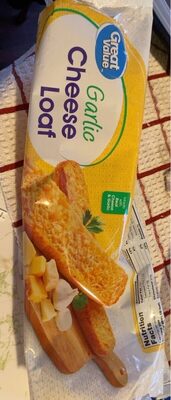 Wal-Mart Stores, Inc.
Garlic Cheese Loaf, Garlic
339kcal
8.9Protein
17.9Fat
35.7Carbs
Randolph Packing Company
Italian Sausage With Provolone And Parmesan Cheese
High in sodium — 47% DV per serving
High in saturated fat — 60% DV per serving
High in cholesterol — 32% DV per serving
285kcal
15.9Protein
23.2Fat
2.6Carbs
Coborn's Incorporated
Parmesan Focaccia, Parmesan
High in sodium — 22% DV per serving
348kcal
13.0Protein
13.0Fat
45.6Carbs
Meijer, Inc.
4 Cheese Italian Sausage, 4 Cheese Italian
High in sodium — 36% DV per serving
High in saturated fat — 35% DV per serving
High in cholesterol — 20% DV per serving
351kcal
20.8Protein
27.3Fat
5.2Carbs
Wal-Mart Stores, Inc.
Garlic Cheese Loaf, Garlic
339kcal
8.9Protein
17.9Fat
35.7Carbs
Randolph Packing Company
Italian Sausage With Provolone And Parmesan Cheese
High in sodium — 47% DV per serving
High in saturated fat — 60% DV per serving
High in cholesterol — 32% DV per serving
285kcal
15.9Protein
23.2Fat
2.6Carbs
Coborn's Incorporated
Parmesan Focaccia, Parmesan
High in sodium — 22% DV per serving
348kcal
13.0Protein
13.0Fat
45.6Carbs
Meijer, Inc.
4 Cheese Italian Sausage, 4 Cheese Italian
High in sodium — 36% DV per serving
High in saturated fat — 35% DV per serving
High in cholesterol — 20% DV per serving
351kcal
20.8Protein
27.3Fat
5.2Carbs
Learn more
Auto-generated content. This description was generated automatically and is pending editorial review. Inaccuracies are possible. Found a mistake? Contact us.