E339
What is E339?
Sodium phosphates are a group of salts that include sodium dihydrogen phosphate, disodium hydrogen phosphate, and trisodium phosphate. They are typically made from phosphoric acid, which can be derived from mineral sources or animal bones. These salts are commonly used in food processing.
Is E339 gluten-free?
They do not contain gluten.
Is E339 a major allergen?
Sodium phosphates are not derived from any of the 9 FDA major allergens.
What is E339 used for?
Sodium phosphates act as acidity regulators, emulsifiers, and stabilizers in food.
Is E339 safe?
Sodium phosphates are generally recognized as safe (GRAS) by the FDA when used as food additives.
Why it's used
Sodium phosphates act as acidity regulators, emulsifiers, and stabilizers in food. They help prevent clumping, improve texture, and maintain moisture in processed foods. You can find them in dairy products, baked goods, meats, and seafood.
Health notes
Sodium phosphates are generally recognized as safe (GRAS) by the FDA when used as food additives. Regulatory bodies like JECFA and EFSA have evaluated them and established acceptable daily intake levels. High intake of phosphates, often from processed foods and supplements, has been a topic of discussion regarding bone health and cardiovascular health, though research is ongoing and evidence is mixed.
Allergen info
Sodium phosphates are not derived from any of the 9 FDA major allergens. They do not contain gluten.
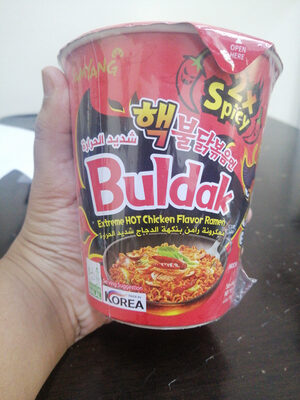
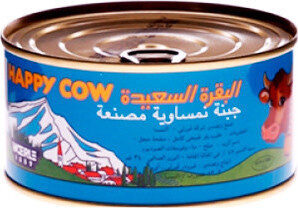
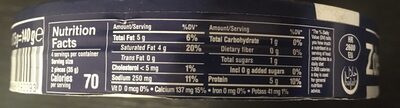
Foods that contain E339
Compare products →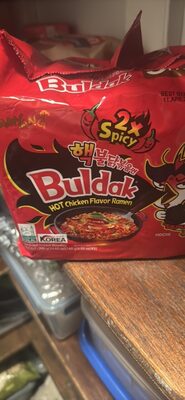
Auto-generated content. This description was generated automatically and is pending editorial review. Inaccuracies are possible. Found a mistake? Contact us.