Each Of The Following: Caramel Color
This entry is a label phrase. See the main ingredient page: Caramel Color.
What is Each Of The Following: Caramel Color?
Caramel color is made by heating sugars, often with acids, alkalis, or sulfites. This process creates a range of brown colors, from light yellow-brown to dark brown. It is one of the oldest and most widely used food colorings.
Is Each Of The Following: Caramel Color gluten-free?
It does not contain gluten.
Is Each Of The Following: Caramel Color a major allergen?
Caramel color is not derived from any of the nine FDA major allergens.
What is Each Of The Following: Caramel Color used for?
Caramel color is used to give foods a brown appearance, mimicking the color of cooked or roasted ingredients.
Is Each Of The Following: Caramel Color safe?
Caramel color is generally recognized as safe (GRAS) by the FDA for use in food.
Why it's used
Caramel color is used to give foods a brown appearance, mimicking the color of cooked or roasted ingredients. It is found in a wide variety of products, including baked goods, beverages, sauces, and confectionery.
Health notes
Caramel color is generally recognized as safe (GRAS) by the FDA for use in food. Some types of caramel color, specifically Class III and IV, can contain a byproduct called 4-MEI, which has raised concerns. However, regulatory bodies like the FDA and EFSA have reviewed 4-MEI and determined that levels found in food are not a health concern. JECFA has also evaluated caramel colors.
Allergen info
Caramel color is not derived from any of the nine FDA major allergens. It does not contain gluten.
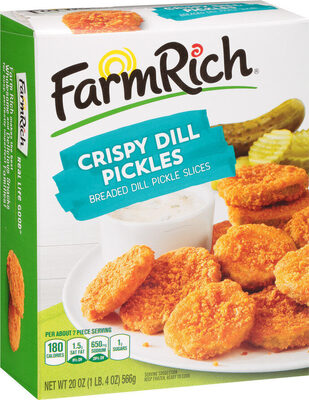
Foods that contain Each Of The Following: Caramel Color
Compare products →

Learn more
Auto-generated content. This description was generated automatically and is pending editorial review. Inaccuracies are possible. Found a mistake? Contact us.