Eggyolk
Auto-generated content. This description was generated automatically and is pending editorial review. Inaccuracies are possible. Found a mistake? Contact us.
What it is
Egg yolk is the yellow, nutrient-rich part of an egg. It is separated from the egg white and is a source of fats, proteins, vitamins, and minerals. It is commonly obtained from chicken eggs.
Why it's used
Egg yolk acts as a natural emulsifier, helping to blend oil and water-based ingredients, and adds richness and color. It is found in products like mayonnaise, sauces, dressings, baked goods, and pasta.
Health notes
Egg yolk is a source of cholesterol and fat. The U.S. Food and Drug Administration (FDA) generally recognizes egg yolk as safe (GRAS) when used as intended. Regulatory bodies like the Joint FAO/WHO Expert Committee on Food Additives (JECFA) have evaluated egg yolk. Research on the health effects of dietary cholesterol from sources like egg yolks is ongoing, with varying conclusions regarding its impact on blood cholesterol levels in healthy individuals.
Allergen info
Egg yolk is derived from eggs, which are one of the 9 FDA major allergens. It does not contain gluten.
Products containing Eggyolk
Compare products →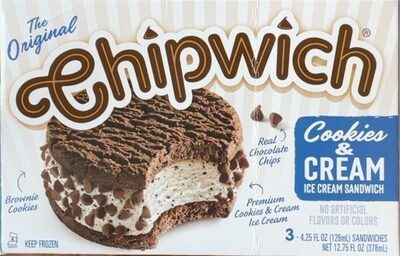 Crave Better Foods LLC
Cookies & Cream Ice Cream Sandwich, Cookies & Cream
High in saturated fat — 35% DV per serving
High in added sugars — 50% DV per serving
371kcal
4.5Protein
15.7Fat
51.7Carbs
J.S.B. Industries Inc.
Smart Choice Blueberry TOPS
High in saturated fat — 25% DV per serving
High in added sugars — 26% DV per serving
281kcal
5.3Protein
8.8Fat
45.6Carbs
J.S.B. Industries Inc.
SMART CHOICE BLUEBERRY MUFFIN 96-2 oz. I.W.
High in added sugars — 26% DV per serving
281kcal
5.3Protein
7.9Fat
45.6Carbs
J.S.B. Industries Inc.
Smart Choice WG Blueberry Muffin, 48ct.-4oz. IW
High in added sugars — 52% DV per serving
274kcal
4.4Protein
8.0Fat
46.0Carbs
J.S.B. Industries Inc.
Smart Choice Blueberry Muffin : 72-2 oz. I.W. Per Case
High in added sugars — 26% DV per serving
281kcal
5.3Protein
8.8Fat
45.6Carbs
Crave Better Foods LLC
Cookies & Cream Ice Cream Sandwich, Cookies & Cream
High in saturated fat — 35% DV per serving
High in added sugars — 50% DV per serving
371kcal
4.5Protein
15.7Fat
51.7Carbs
J.S.B. Industries Inc.
Smart Choice Blueberry TOPS
High in saturated fat — 25% DV per serving
High in added sugars — 26% DV per serving
281kcal
5.3Protein
8.8Fat
45.6Carbs
J.S.B. Industries Inc.
SMART CHOICE BLUEBERRY MUFFIN 96-2 oz. I.W.
High in added sugars — 26% DV per serving
281kcal
5.3Protein
7.9Fat
45.6Carbs
J.S.B. Industries Inc.
Smart Choice WG Blueberry Muffin, 48ct.-4oz. IW
High in added sugars — 52% DV per serving
274kcal
4.4Protein
8.0Fat
46.0Carbs
J.S.B. Industries Inc.
Smart Choice Blueberry Muffin : 72-2 oz. I.W. Per Case
High in added sugars — 26% DV per serving
281kcal
5.3Protein
8.8Fat
45.6Carbs