Emulsifer
What is Emulsifer?
Emulsifiers are substances that help mix ingredients that normally don't mix well, like oil and water. They can be made from natural sources such as soy, sunflower, or egg yolks, or synthesized. Emulsifiers have a dual structure, with one part attracted to water and the other to oil, allowing them to bridge the gap between these two substances.
Is Emulsifer a major allergen?
Some emulsifiers are derived from major allergens like soy or eggs.
What is Emulsifer used for?
Manufacturers add emulsifiers to improve texture, stability, and shelf life in foods.
Is Emulsifer safe?
Emulsifiers are generally recognized as safe (GRAS) by the FDA when used as intended.
Why it's used
Manufacturers add emulsifiers to improve texture, stability, and shelf life in foods. They prevent separation and create a smoother consistency. Emulsifiers are commonly found in products like chocolate, baked goods, ice cream, salad dressings, and sauces.
Health notes
Emulsifiers are generally recognized as safe (GRAS) by the FDA when used as intended. International bodies like JECFA and EFSA have also evaluated many emulsifiers. Some research suggests certain emulsifiers might affect the gut microbiome, but evidence is mixed and more research is needed to understand the long-term effects at typical dietary intake levels.
Allergen info
Some emulsifiers are derived from major allergens like soy or eggs. Consumers should check product labels for specific ingredient sourcing if they have allergies.
Foods that contain Emulsifer
Compare products →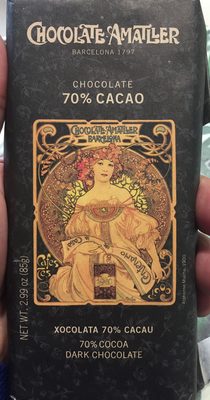
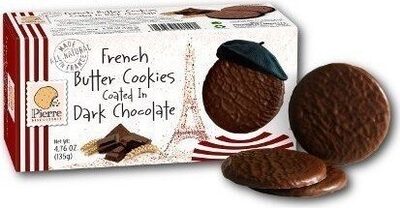
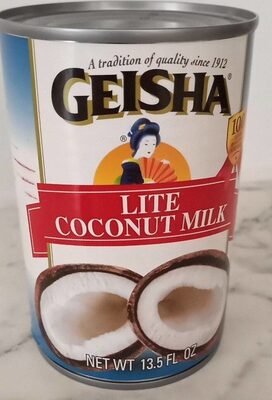


Learn more
Auto-generated content. This description was generated automatically and is pending editorial review. Inaccuracies are possible. Found a mistake? Contact us.