Emulsifying Agent
Auto-generated content. This description was generated automatically and is pending editorial review. Inaccuracies are possible. Found a mistake? Contact us.
What it is
Emulsifying agents are substances that help mix ingredients that normally don't mix, like oil and water. They are often made from natural sources like soy, sunflower, or egg yolks, or can be synthesized. These agents work by having parts that attract water and parts that attract oil, allowing them to bridge the gap between the two.
Why it's used
Manufacturers add emulsifying agents to keep products smooth and prevent separation. They are commonly found in foods like salad dressings, mayonnaise, ice cream, peanut butter, and baked goods. Their function is to create and maintain a stable mixture, improving texture and appearance.
Health notes
Emulsifying agents are generally recognized as safe (GRAS) by the FDA when used as intended. Regulatory bodies like JECFA and EFSA have evaluated many emulsifying agents. Some research has explored potential links between certain emulsifiers and gut health, but evidence is mixed and more research is needed. At typical consumption levels, they are not associated with adverse health effects for most people.
Allergen info
Some emulsifying agents are derived from major allergens like soy, eggs, or wheat. Consumers should check product labels for specific ingredient sourcing if they have allergies.
Products containing Emulsifying Agent
Compare products →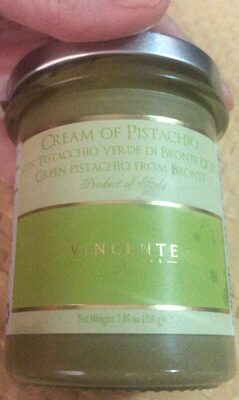 VINCENTE DELICACIES
Cream Of Pistachio
High in saturated fat — 20% DV per serving
546kcal
11.4Protein
34.3Fat
57.1Carbs
VINCENTE DELICACIES
Cream Of Hazelnuts
High in saturated fat — 25% DV per serving
540kcal
5.7Protein
37.1Fat
60Carbs
VINCENTE DELICACIES
Cream Of Almonds
457kcal
8.6Protein
25.7Fat
48.6Carbs
Topco Associates, Inc.
Unsweetened Coconut Milk
High in saturated fat — 65% DV per serving
188kcal
0Protein
17.5Fat
5Carbs
Ingles Markets Inc.
Premium Unsweetened Coconut Milk
High in saturated fat — 65% DV per serving
188kcal
0Protein
17.5Fat
5Carbs
Sam Mills USA LLC
Cookies, Chocolate Chip
High in saturated fat — 20% DV per serving
481kcal
3.2Protein
22.6Fat
64.5Carbs
Serendipity 3, Inc.
Paldo, Pororo Milk, Milk, Milk
53kcal
0Protein
0Fat
13.3Carbs
Serendipity 3, Inc.
Pororo Juice Drink, Apple
54kcal
0Protein
0Fat
13.9Carbs
Serendipity 3, Inc.
Tropical Fruits Drink, Tropical Fruits
High in added sugars — 58% DV per serving
55kcal
0Protein
0Fat
13.6Carbs
VINCENTE DELICACIES
Cream Of Pistachio
High in saturated fat — 20% DV per serving
546kcal
11.4Protein
34.3Fat
57.1Carbs
VINCENTE DELICACIES
Cream Of Hazelnuts
High in saturated fat — 25% DV per serving
540kcal
5.7Protein
37.1Fat
60Carbs
VINCENTE DELICACIES
Cream Of Almonds
457kcal
8.6Protein
25.7Fat
48.6Carbs
Topco Associates, Inc.
Unsweetened Coconut Milk
High in saturated fat — 65% DV per serving
188kcal
0Protein
17.5Fat
5Carbs
Ingles Markets Inc.
Premium Unsweetened Coconut Milk
High in saturated fat — 65% DV per serving
188kcal
0Protein
17.5Fat
5Carbs
Sam Mills USA LLC
Cookies, Chocolate Chip
High in saturated fat — 20% DV per serving
481kcal
3.2Protein
22.6Fat
64.5Carbs
Serendipity 3, Inc.
Paldo, Pororo Milk, Milk, Milk
53kcal
0Protein
0Fat
13.3Carbs
Serendipity 3, Inc.
Pororo Juice Drink, Apple
54kcal
0Protein
0Fat
13.9Carbs
Serendipity 3, Inc.
Tropical Fruits Drink, Tropical Fruits
High in added sugars — 58% DV per serving
55kcal
0Protein
0Fat
13.6Carbs