Encapsulated Lactic Acid
What is Encapsulated Lactic Acid?
Encapsulated lactic acid is a form of lactic acid that has been coated with a protective material, often a fat or wax. This coating controls the release of the lactic acid, allowing it to perform its function over a longer period or in specific conditions. Lactic acid itself is a naturally occurring organic acid found in milk and produced by certain bacteria.
Is Encapsulated Lactic Acid gluten-free?
It is also gluten-free.
Is Encapsulated Lactic Acid a major allergen?
Lactic acid is not derived from any of the nine major allergens.
What is Encapsulated Lactic Acid used for?
Manufacturers use encapsulated lactic acid primarily as an acidity regulator and preservative.
Is Encapsulated Lactic Acid safe?
Lactic acid is generally recognized as safe (GRAS) by the FDA for use in food.
Why it's used
Manufacturers use encapsulated lactic acid primarily as an acidity regulator and preservative. The encapsulation allows for a slower release of acidity, which can be useful in baked goods like snack and granola bars to prevent premature leavening or to maintain a desired flavor profile. It can also help extend shelf life by inhibiting microbial growth.
Health notes
Lactic acid is generally recognized as safe (GRAS) by the FDA for use in food. It is a natural product of metabolism and is also used in many foods. International bodies like JECFA and EFSA have evaluated lactic acid and its salts. Evidence does not suggest adverse health effects from typical dietary intake.
Allergen info
Lactic acid is not derived from any of the nine major allergens. It is also gluten-free.
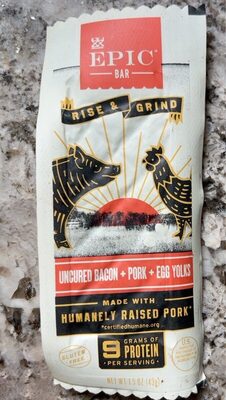
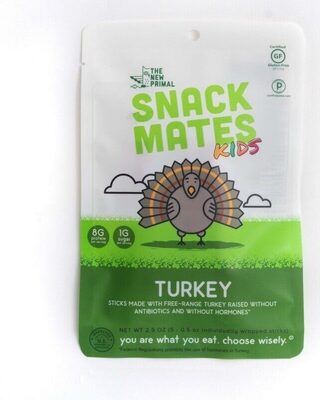
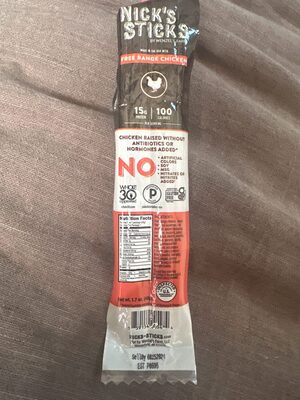
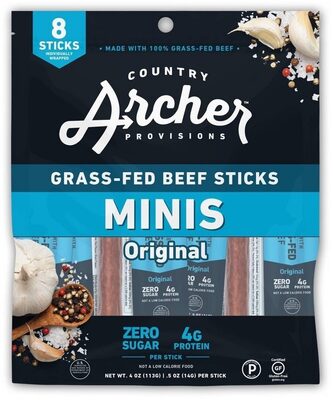
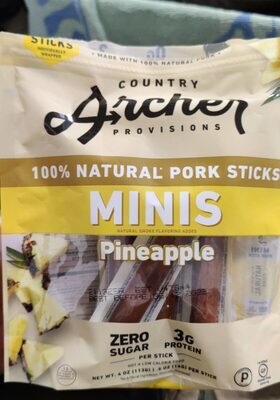
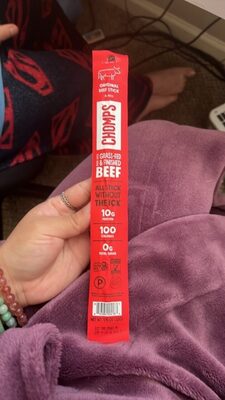
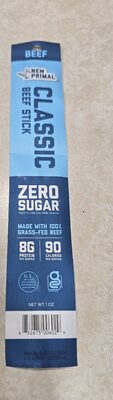
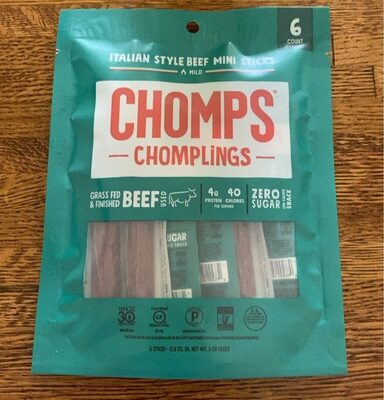
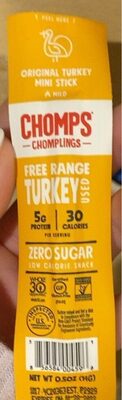
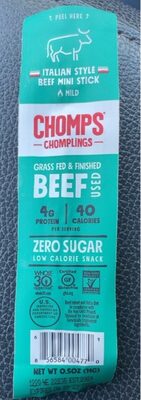
Foods that contain Encapsulated Lactic Acid
Compare products →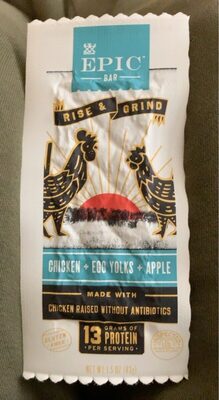






Auto-generated content. This description was generated automatically and is pending editorial review. Inaccuracies are possible. Found a mistake? Contact us.