English Walnuts
What is English Walnuts?
English walnuts are the edible seeds of the walnut tree, native to the region stretching from Central Asia to Southeast Asia. The nuts are harvested, shelled, and often dried before being sold for consumption. They have a rich, slightly bitter flavor and a firm texture.
Is English Walnuts vegan?
English Walnuts is not animal-derived. Products that contain it can still include other animal-derived ingredients, so check the full ingredient list.
Is English Walnuts a major allergen?
Walnuts are one of the 9 major allergens identified by the FDA.
What is English Walnuts used for?
Walnuts are frequently used as a snack or ingredient in baked goods, desserts, and savory dishes.
Is English Walnuts safe?
English walnuts are recognized as safe (GRAS) by the FDA for general food use.
Why it's used
Walnuts are frequently used as a snack or ingredient in baked goods, desserts, and savory dishes. They add a crunchy texture and nutty flavor to products like ice cream, granola, cookies, and breads. Manufacturers use them for their taste and texture, and sometimes for their nutritional profile.
Health notes
English walnuts are recognized as safe (GRAS) by the FDA for general food use. They are a source of omega-3 fatty acids, fiber, and antioxidants. While generally considered healthy, some studies suggest potential benefits for heart health and cognitive function, though more research is needed. JECFA has evaluated walnuts and established guidance on their quality standards.
Allergen info
Walnuts are one of the 9 major allergens identified by the FDA. They are classified as a tree nut.
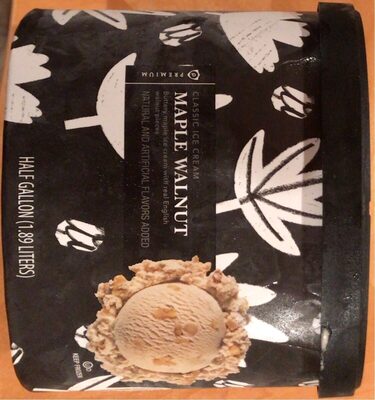
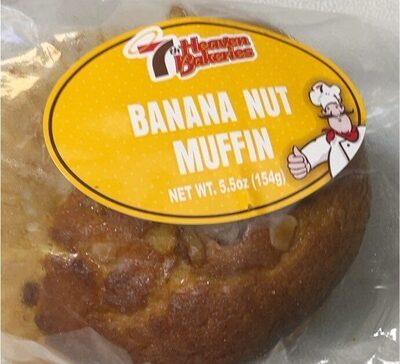
Foods that contain English Walnuts
Compare products →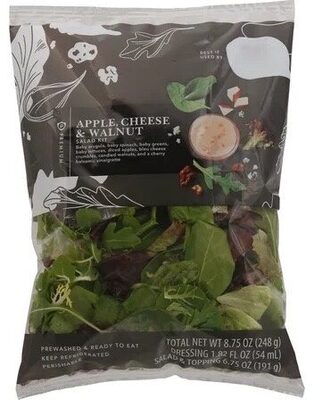


Auto-generated content. This description was generated automatically and is pending editorial review. Inaccuracies are possible. Found a mistake? Contact us.