Engraulidae Fillets
What is Engraulidae Fillets?
Engraulidae fillets are small, oily fish, commonly known as anchovies. They are typically caught in temperate ocean waters and then cleaned, cured in salt, and packed in oil or brine. This process preserves the fish and develops their characteristic intense, salty flavor.
Is Engraulidae Fillets vegan?
No. Engraulidae Fillets is animal-derived, so it is not vegan.
Is Engraulidae Fillets gluten-free?
They do not contain gluten.
Is Engraulidae Fillets a major allergen?
Anchovies are a fish, which is one of the 9 major allergens identified by the FDA.
What is Engraulidae Fillets used for?
Manufacturers use anchovy fillets as a potent flavoring ingredient in a variety of dishes.
Is Engraulidae Fillets safe?
Anchovies are a source of protein, omega-3 fatty acids, and calcium.
Why it's used
Manufacturers use anchovy fillets as a potent flavoring ingredient in a variety of dishes. Their strong umami taste makes them ideal for sauces, dressings, dips, and as a topping for pizzas and salads. They are often found in Mediterranean-inspired cuisine.
Health notes
Anchovies are a source of protein, omega-3 fatty acids, and calcium. The high sodium content from the curing process should be considered as part of a balanced diet. The FDA regulates food additives, but anchovy fillets themselves are a whole food ingredient. There are no specific evaluations by JECFA or EFSA for anchovy fillets as a food additive.
Allergen info
Anchovies are a fish, which is one of the 9 major allergens identified by the FDA. They do not contain gluten.
Foods that contain Engraulidae Fillets
Compare products →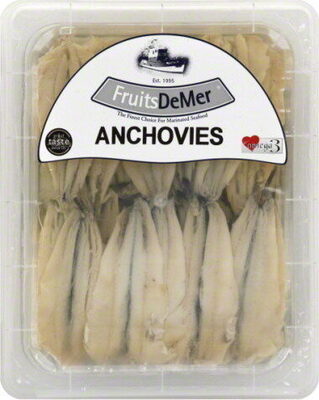
Learn more
Auto-generated content. This description was generated automatically and is pending editorial review. Inaccuracies are possible. Found a mistake? Contact us.