Enriched Egg Noodles
What is Enriched Egg Noodles?
Enriched egg noodles are a type of pasta made from durum wheat flour, eggs, and often enriched with vitamins and iron. The addition of eggs gives them a richer color and flavor compared to regular pasta. They are typically dried for preservation and longer shelf life.
Is Enriched Egg Noodles vegan?
No. Enriched Egg Noodles is animal-derived, so it is not vegan.
Is Enriched Egg Noodles gluten-free?
Wheat is also a source of gluten.
Is Enriched Egg Noodles a major allergen?
Enriched egg noodles contain egg and wheat, both of which are among the 9 FDA major allergens.
What is Enriched Egg Noodles used for?
Manufacturers use enriched egg noodles as a base or thickener in various dishes.
Is Enriched Egg Noodles safe?
Enriched egg noodles are generally recognized as safe (GRAS) by the FDA when used as a food ingredient.
Why it's used
Manufacturers use enriched egg noodles as a base or thickener in various dishes. Their hearty texture and ability to absorb flavors make them popular in soups, casseroles, and side dishes. They are commonly found in packaged noodle soups and prepared meals.
Health notes
Enriched egg noodles are generally recognized as safe (GRAS) by the FDA when used as a food ingredient. They provide carbohydrates for energy and, when enriched, contribute B vitamins and iron to the diet. International bodies like JECFA have evaluated similar pasta products. Evidence does not suggest adverse health effects from typical consumption levels.
Allergen info
Enriched egg noodles contain egg and wheat, both of which are among the 9 FDA major allergens. Wheat is also a source of gluten.
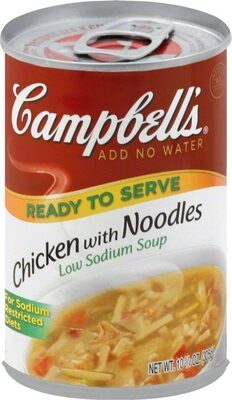
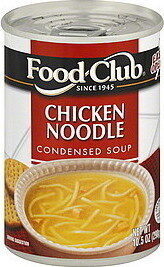
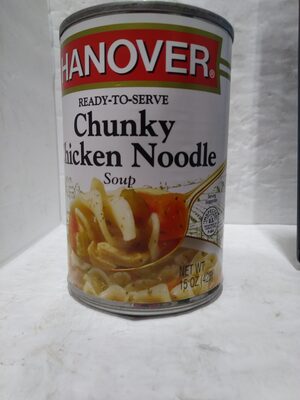
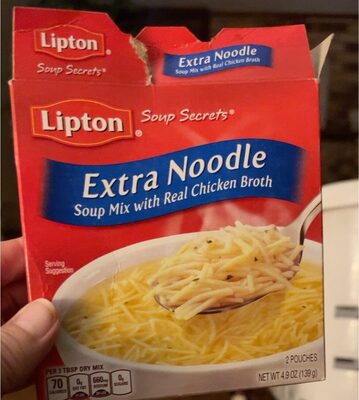
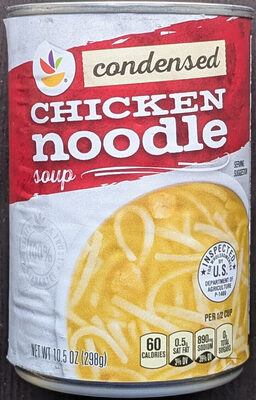
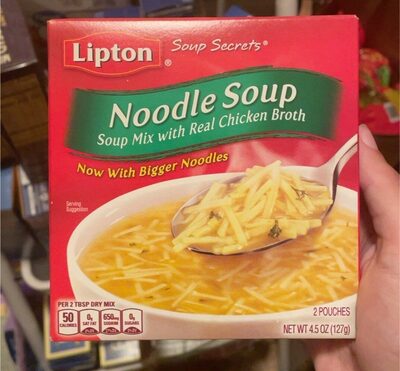
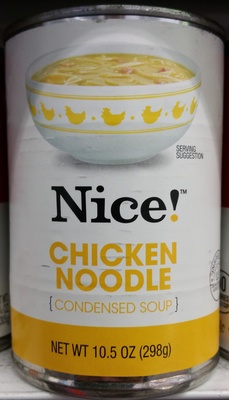
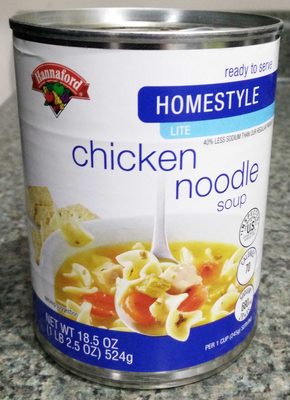
Foods that contain Enriched Egg Noodles
Compare products →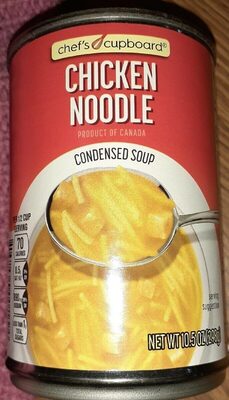
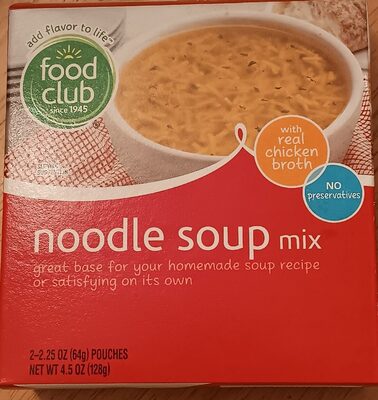
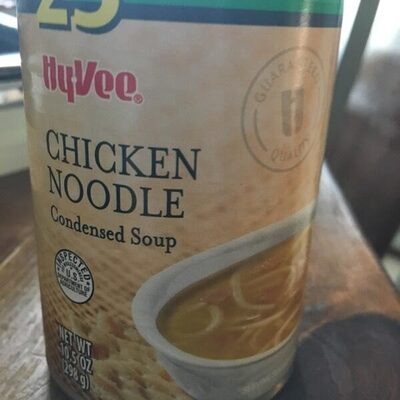
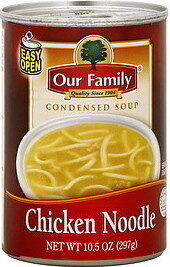
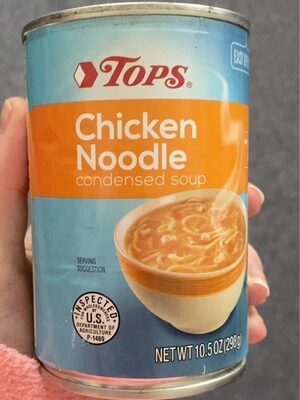
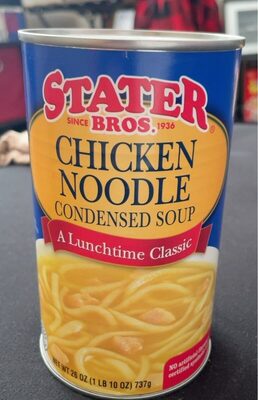
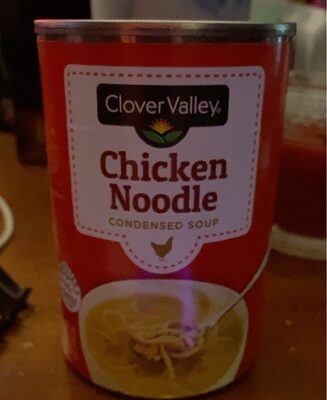
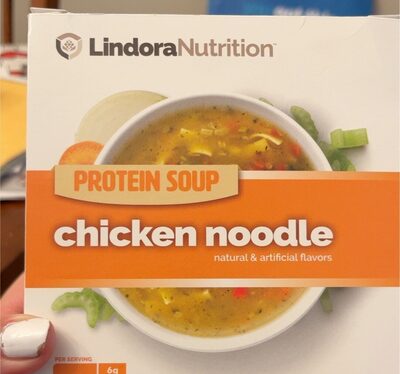
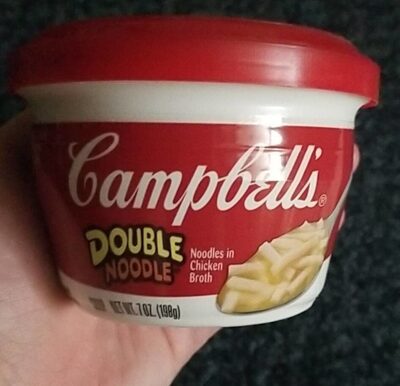
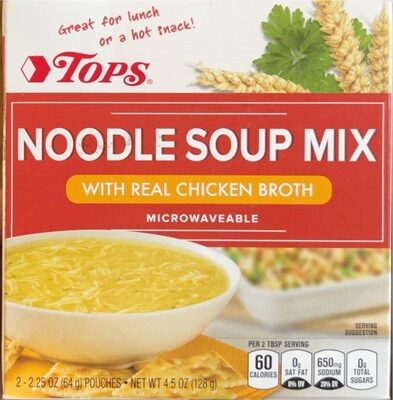
Learn more
Auto-generated content. This description was generated automatically and is pending editorial review. Inaccuracies are possible. Found a mistake? Contact us.