Enzyme Salt
What is Enzyme Salt?
Enzyme salt is a food additive made by combining enzymes with salt. Enzymes are proteins that speed up chemical reactions. They are often produced through fermentation using microorganisms like yeast or bacteria.
Is Enzyme Salt gluten-free?
Gluten is not present unless the enzymes are produced using gluten-containing grains, which is uncommon.
Is Enzyme Salt a major allergen?
Enzyme salt is not a major allergen.
What is Enzyme Salt used for?
Manufacturers add enzyme salt to doughs to improve their texture and handling properties.
Is Enzyme Salt safe?
Enzyme salt is generally recognized as safe (GRAS) by the FDA.
Why it's used
Manufacturers add enzyme salt to doughs to improve their texture and handling properties. It helps to strengthen gluten, making the dough more elastic and easier to work with. It is commonly found in baked goods like bread and pizza crusts.
Health notes
Enzyme salt is generally recognized as safe (GRAS) by the FDA. Enzymes used in food processing have been evaluated by regulatory bodies like JECFA and EFSA. At typical consumption levels, it is not associated with adverse health effects. There are no widespread controversies regarding its use.
Allergen info
Enzyme salt is not a major allergen. The enzymes themselves are typically derived from non-allergenic sources, and salt is not an allergen. Gluten is not present unless the enzymes are produced using gluten-containing grains, which is uncommon.
Foods that contain Enzyme Salt
Compare products →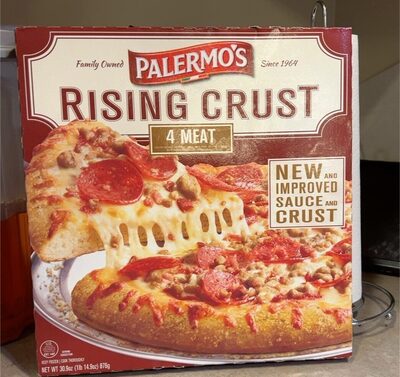
Auto-generated content. This description was generated automatically and is pending editorial review. Inaccuracies are possible. Found a mistake? Contact us.