Enzymes And Tapioca Starch
Auto-generated content. This description was generated automatically and is pending editorial review. Inaccuracies are possible. Found a mistake? Contact us.
What it is
Enzymes are proteins that speed up chemical reactions. They are often produced by fermenting microorganisms like bacteria or fungi. Tapioca starch is a carbohydrate derived from the cassava root, a starchy tuber native to South America. It is processed into a fine, white powder.
Why it's used
Enzymes are used in food processing to improve texture, flavor, and shelf life. Tapioca starch acts as a thickener, binder, and stabilizer. They are often found together in processed foods like pizzas, baked goods, and dairy products.
Health notes
Enzymes used in food are generally recognized as safe (GRAS) by the FDA. Tapioca starch is also considered safe for consumption. Regulatory bodies like JECFA and EFSA have evaluated enzymes and starches, generally finding them safe for use in food. There is no widespread controversy regarding their consumption at typical levels.
Allergen info
Neither enzymes nor tapioca starch are derived from the 9 major allergens recognized by the FDA. Tapioca starch is gluten-free.
Products containing Enzymes And Tapioca Starch
Compare products →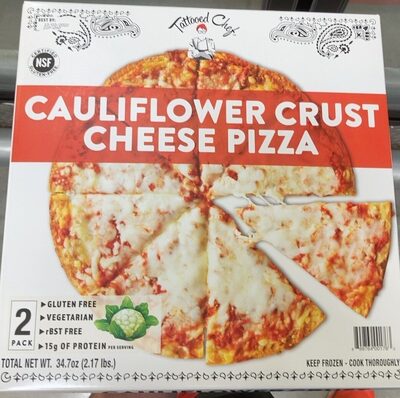 Stonegate Foods, Inc.
Cauliflower Crust Cheese Pizza, Cauliflower Crust Cheese
High in sodium — 26% DV per serving
High in saturated fat — 35% DV per serving
236kcal
12.2Protein
9.8Fat
21.1Carbs
Stonegate Foods, Inc.
Cauliflower Crust Cheese Pizza, Cauliflower Crust Cheese
High in sodium — 26% DV per serving
High in saturated fat — 35% DV per serving
236kcal
12.2Protein
9.8Fat
21.1Carbs
 Ittella International, Inc.
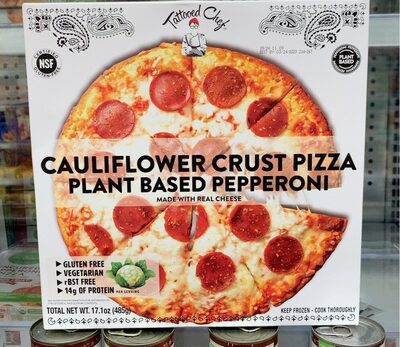
Pepperoni Made With Real Cheese Plant Based Cauliflower Crust Pizza, Pepperoni
High in sodium — 29% DV per serving
High in saturated fat — 40% DV per serving
242kcal
11.7Protein
10.8Fat
24.2Carbs
Ittella International, Inc.
Pepperoni Made With Real Cheese Plant Based Cauliflower Crust Pizza, Pepperoni
High in sodium — 29% DV per serving
High in saturated fat — 40% DV per serving
242kcal
11.7Protein
10.8Fat
24.2Carbs
 Ittella International, Inc.
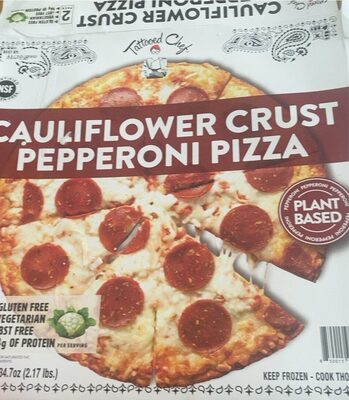
Pepperoni Cauliflower Crust Pizza, Pepperoni Cauliflower
High in sodium — 27% DV per serving
High in saturated fat — 40% DV per serving
242kcal
11.7Protein
10Fat
24.2Carbs
Ittella International, Inc.
Pepperoni Cauliflower Crust Pizza, Pepperoni Cauliflower
High in sodium — 27% DV per serving
High in saturated fat — 40% DV per serving
242kcal
11.7Protein
10Fat
24.2Carbs
 Authentic Joy
Cauliflower Crust White Three Cheese Blend With Spinach Over A Creamy Garlic Sauce Pizza, Cauliflower Crust White
High in sodium — 21% DV per serving
High in saturated fat — 45% DV per serving
240kcal
13.2Protein
11.6Fat
19.8Carbs
Authentic Joy
Cauliflower Crust White Three Cheese Blend With Spinach Over A Creamy Garlic Sauce Pizza, Cauliflower Crust White
High in sodium — 21% DV per serving
High in saturated fat — 45% DV per serving
240kcal
13.2Protein
11.6Fat
19.8Carbs
 Ittella International, Inc.
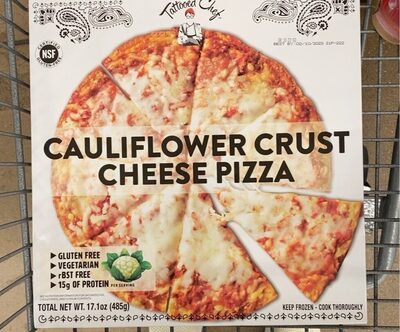
Cauliflower Crust Cheese Pizza
High in sodium — 26% DV per serving
High in saturated fat — 35% DV per serving
236kcal
12.2Protein
9.8Fat
21.1Carbs
Ittella International, Inc.
Cauliflower Crust Cheese Pizza
High in sodium — 26% DV per serving
High in saturated fat — 35% DV per serving
236kcal
12.2Protein
9.8Fat
21.1Carbs