Enzymes & Cultures
What is Enzymes & Cultures?
Enzymes are proteins that speed up chemical reactions. Cultures are microorganisms like bacteria or yeast. Both can be naturally occurring or specifically grown for use in food production. They are often used to help transform raw ingredients into finished food products.
Is Enzymes & Cultures a major allergen?
Some cultures are derived from milk, and some enzymes can be derived from major allergens like milk, eggs, or wheat.
What is Enzymes & Cultures used for?
Enzymes and cultures are used to develop flavors, textures, and aromas in foods.
Is Enzymes & Cultures safe?
Enzymes and cultures used in food are generally recognized as safe (GRAS) by the FDA.
Why it's used
Enzymes and cultures are used to develop flavors, textures, and aromas in foods. They are essential for making products like cheese, yogurt, bread, and fermented foods. Manufacturers use them to break down components, ripen products, or create specific tastes and smells.
Health notes
Enzymes and cultures used in food are generally recognized as safe (GRAS) by the FDA. They are common in many fermented foods and are considered safe when consumed at typical levels. International bodies like JECFA and EFSA have evaluated many specific enzymes and cultures. Evidence does not suggest adverse health effects from their use in food.
Allergen info
Some cultures are derived from milk, and some enzymes can be derived from major allergens like milk, eggs, or wheat. Manufacturers must declare these sources on the ingredient label. Not a major allergen unless derived from one of the 9 major allergens.
Foods that contain Enzymes & Cultures
Compare products →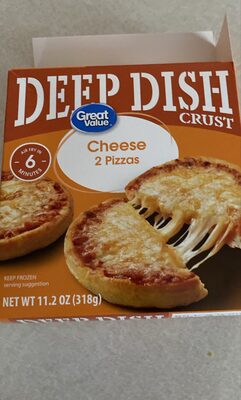 Wal-Mart Stores, Inc.
Cheese Deep Dish Crust Pizzas, Cheese
High in sodium — 35% DV per serving
High in saturated fat — 25% DV per serving
214kcal
9.4Protein
6.9Fat
28.9Carbs
Thompson Cellars Company
Cardenas, Whole Milk Cheese
146kcal
12.1Protein
8.4Fat
5.5Carbs
Los Altos Food Products Inc.
Whole Milk Cheese
146kcal
12.1Protein
8.4Fat
5.5Carbs
Rizo Lopez Foods, Inc.
Oaxaca Queso Part Skim Milk Cheese, Mild
High in saturated fat — 20% DV per serving
286kcal
21.4Protein
21.4Fat
3.6Carbs
Completely Fresh Foods, Inc
Nacho Chicken Nacho Cheese Sauce With Seasoned White Meat Chicken & Rice Snack Bowl, Nacho Chicken
High in sodium — 37% DV per serving
High in saturated fat — 20% DV per serving
134kcal
12.7Protein
4.9Fat
9.2Carbs
Eggland's Best, Inc.
Salsa, Bacon & Cheese Breakfast Bowl, Salsa; Bacon; Cheese
High in sodium — 35% DV per serving
High in saturated fat — 30% DV per serving
High in cholesterol — 60% DV per serving
141kcal
7.1Protein
6.6Fat
9.1Carbs
Wal-Mart Stores, Inc.
Cheese Deep Dish Crust Pizzas, Cheese
High in sodium — 35% DV per serving
High in saturated fat — 25% DV per serving
214kcal
9.4Protein
6.9Fat
28.9Carbs
Thompson Cellars Company
Cardenas, Whole Milk Cheese
146kcal
12.1Protein
8.4Fat
5.5Carbs
Los Altos Food Products Inc.
Whole Milk Cheese
146kcal
12.1Protein
8.4Fat
5.5Carbs
Rizo Lopez Foods, Inc.
Oaxaca Queso Part Skim Milk Cheese, Mild
High in saturated fat — 20% DV per serving
286kcal
21.4Protein
21.4Fat
3.6Carbs
Completely Fresh Foods, Inc
Nacho Chicken Nacho Cheese Sauce With Seasoned White Meat Chicken & Rice Snack Bowl, Nacho Chicken
High in sodium — 37% DV per serving
High in saturated fat — 20% DV per serving
134kcal
12.7Protein
4.9Fat
9.2Carbs
Eggland's Best, Inc.
Salsa, Bacon & Cheese Breakfast Bowl, Salsa; Bacon; Cheese
High in sodium — 35% DV per serving
High in saturated fat — 30% DV per serving
High in cholesterol — 60% DV per serving
141kcal
7.1Protein
6.6Fat
9.1Carbs
Auto-generated content. This description was generated automatically and is pending editorial review. Inaccuracies are possible. Found a mistake? Contact us.