Enzymes Parmesan Cheese
Auto-generated content. This description was generated automatically and is pending editorial review. Inaccuracies are possible. Found a mistake? Contact us.
What it is
Enzymes are proteins that help speed up chemical reactions. In Parmesan cheese, they are naturally present and contribute to the cheese's flavor and texture as it ages. For commercial use, enzymes can be isolated from microbial sources or animal tissues.
Why it's used
Manufacturers use enzymes in cheese production to aid in the breakdown of fats and proteins, which develops characteristic flavors and textures. They are often added to processed cheese products and cheese-flavored snacks to enhance or mimic the taste of aged cheese.
Health notes
Enzymes used in food are generally recognized as safe (GRAS) by the FDA. They are typically present in very small amounts in the final food product and are broken down during digestion. International bodies like JECFA have evaluated enzymes used in food processing, and they are widely used globally.
Allergen info
Enzymes themselves are not typically considered major allergens. However, if derived from milk, eggs, or other major allergens, cross-contamination or residual presence could be a concern. Not a major allergen.
Products containing Enzymes Parmesan Cheese
Compare products →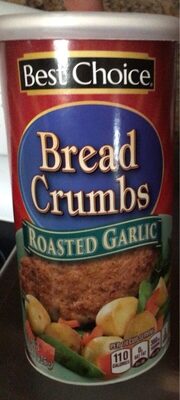 Associated Wholesale Grocers, Inc.
Roasted Garlic Bread Crumbs, Roasted Garlic
367kcal
13.3Protein
5Fat
73.3Carbs
Spring Valley Water Co.
Spinach & Artichoke Ravioli, Spinach & Artichoke
High in sodium — 23% DV per serving
229kcal
11.4Protein
65.7Fat
31.4Carbs
Schnuck Markets, Inc.
Italian Six Cheese Low-Moisture, Part-Skim Mozzarella, Non-Smoked Provolone, Parmesan, Asiago, Fontina & Romano Finely Shredded Natural Cheeses, Italian Six Cheese
321kcal
25Protein
21.4Fat
7.1Carbs
Associated Wholesale Grocers, Inc.
Roasted Garlic Bread Crumbs, Roasted Garlic
367kcal
13.3Protein
5Fat
73.3Carbs
Spring Valley Water Co.
Spinach & Artichoke Ravioli, Spinach & Artichoke
High in sodium — 23% DV per serving
229kcal
11.4Protein
65.7Fat
31.4Carbs
Schnuck Markets, Inc.
Italian Six Cheese Low-Moisture, Part-Skim Mozzarella, Non-Smoked Provolone, Parmesan, Asiago, Fontina & Romano Finely Shredded Natural Cheeses, Italian Six Cheese
321kcal
25Protein
21.4Fat
7.1Carbs
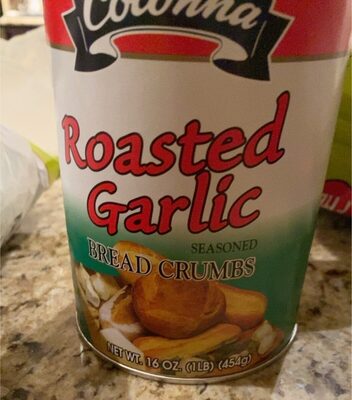 Colonna Brothers
Roasted Garlic Seasoned Bread Crumbs, Roasted Garlic
367kcal
13.3Protein
5Fat
73.3Carbs
Nestle USA Inc.
Philly Steak & Cheese Sandwich
205kcal
6.3Protein
5.5Fat
32.3Carbs
Colonna Brothers
Roasted Garlic Seasoned Bread Crumbs, Roasted Garlic
367kcal
13.3Protein
5Fat
73.3Carbs
Nestle USA Inc.
Philly Steak & Cheese Sandwich
205kcal
6.3Protein
5.5Fat
32.3Carbs