Enzyms
What is Enzyms?
Enzymes are proteins that help speed up chemical reactions in living things. In food production, enzymes are often derived from plants, animals, or microorganisms like yeast and bacteria. They are used to modify ingredients and improve the texture, flavor, or processing of foods.
Is Enzyms gluten-free?
Gluten is not typically associated with enzymes unless they are produced using gluten-containing substrates.
Is Enzyms a major allergen?
Not a major allergen.
What is Enzyms used for?
Manufacturers use enzymes for various purposes, such as improving dough handling in baked goods, clarifying juices, or tenderizing meat.
Is Enzyms safe?
Enzymes used in food are generally recognized as safe (GRAS) by the FDA.
Why it's used
Manufacturers use enzymes for various purposes, such as improving dough handling in baked goods, clarifying juices, or tenderizing meat. They can also be used to break down lactose in dairy products or enhance flavor development in cheeses and wines.
Health notes
Enzymes used in food are generally recognized as safe (GRAS) by the FDA. They are proteins that are typically broken down during digestion. International bodies like JECFA have evaluated many food enzymes and found them safe for consumption at typical levels. There is no widespread concern about enzymes at the levels found in food.
Allergen info
Not a major allergen. Enzymes themselves are proteins, but they are not typically derived from the major allergens. Gluten is not typically associated with enzymes unless they are produced using gluten-containing substrates.
Foods that contain Enzyms
Compare products →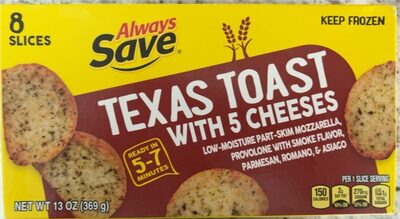
Auto-generated content. This description was generated automatically and is pending editorial review. Inaccuracies are possible. Found a mistake? Contact us.