Auto-generated content.
This description was generated automatically and is pending editorial review.
Inaccuracies are possible. Found a mistake? Contact us.
Source
Unknown
Not yet classified by editors
Allergen
No
Role in food
Manufacturers use ethoxylated mono- and diglycerides to improve the texture and shelf life of …
What it is
Ethoxylated mono- and diglycerides are a type of emulsifier. They are made by reacting mono- and diglycerides (fats derived from vegetable or animal sources) with ethylene oxide. This process changes the fat's properties to help it mix better with water.
Why it's used
Manufacturers use ethoxylated mono- and diglycerides to improve the texture and shelf life of baked goods. They help keep ingredients like oil and water mixed together, which makes doughs easier to work with and results in a softer, more consistent final product. They are commonly found in cakes, muffins, pastries, and breads.
Health notes
In the United States, ethoxylated mono- and diglycerides are generally recognized as safe (GRAS) by the FDA when used for their intended purpose. Regulatory bodies like the Joint FAO/WHO Expert Committee on Food Additives (JECFA) and the European Food Safety Authority (EFSA) have evaluated emulsifiers, including this type. At typical consumption levels found in food, they are not associated with adverse health effects.
Allergen info
Ethoxylated mono- and diglycerides are not derived from any of the 9 major allergens recognized by the FDA. They do not contain gluten.
Note:
This site presents label data from USDA FoodData Central for general information. It is not medical advice.
Check the package label; formulations change.
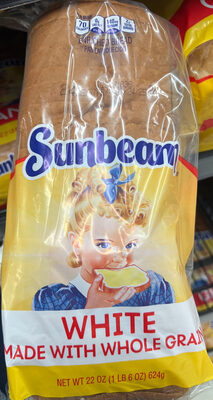 Quality Bakers Of America Coop
Bread, Made With Whole Grain
263kcal
8.8Protein
3.5Fat
49.1Carbs
Quality Bakers Of America Coop
Bread, Made With Whole Grain
263kcal
8.8Protein
3.5Fat
49.1Carbs