Ethoxylated
What is Ethoxylated?
Ethoxylated is a broad term for a group of chemicals made by reacting a substance with ethylene oxide. This process changes the substance's properties, often making it more soluble in water or changing its surface tension. Ethoxylated ingredients are commonly derived from fats and oils, such as vegetable oils or animal fats.
Is Ethoxylated a major allergen?
Not a major allergen.
What is Ethoxylated used for?
Manufacturers use ethoxylated compounds as emulsifiers, surfactants, and stabilizers in a variety of foods.
Is Ethoxylated safe?
The FDA considers various ethoxylated ingredients safe for use in food when used as intended.
Why it's used
Manufacturers use ethoxylated compounds as emulsifiers, surfactants, and stabilizers in a variety of foods. They help mix ingredients that normally don't blend well, like oil and water. You can find them in baked goods, dairy products, and processed foods.
Health notes
The FDA considers various ethoxylated ingredients safe for use in food when used as intended. Some ethoxylated compounds are generally recognized as safe (GRAS). Regulatory bodies like the Joint FAO/WHO Expert Committee on Food Additives (JECFA) have evaluated some of these substances. Evidence regarding long-term health effects at typical consumption levels is generally reassuring, but research is ongoing for specific compounds.
Allergen info
Not a major allergen.
Foods that contain Ethoxylated
Compare products →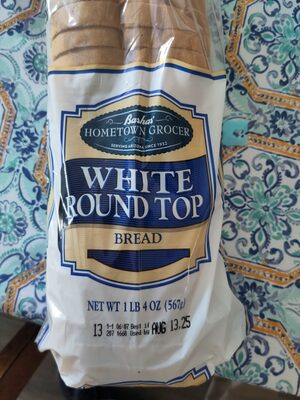
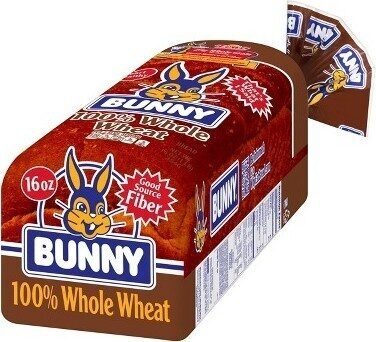
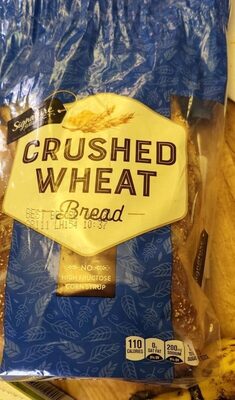
Learn more
Auto-generated content. This description was generated automatically and is pending editorial review. Inaccuracies are possible. Found a mistake? Contact us.