Ethyl Vanillin
What is Ethyl Vanillin?
Ethyl vanillin is a synthetic flavoring agent that is chemically similar to vanillin, the primary component of vanilla bean extract. It is produced through a multi-step chemical synthesis process, often starting from petrochemicals like guaiacol.
Is Ethyl Vanillin vegan?
Ethyl Vanillin is not animal-derived. Products that contain it can still include other animal-derived ingredients, so check the full ingredient list.
Is Ethyl Vanillin gluten-free?
Ethyl vanillin is not derived from any of the nine FDA major allergens and does not contain gluten.
What is Ethyl Vanillin used for?
Ethyl vanillin is used to impart a strong, sweet vanilla-like aroma and flavor to a wide variety of food products.
Is Ethyl Vanillin safe?
Ethyl vanillin is generally recognized as safe (GRAS) by the U.S. Food and Drug Administration (FDA) for use as a flavoring agent.
Why it's used
Ethyl vanillin is used to impart a strong, sweet vanilla-like aroma and flavor to a wide variety of food products. It is significantly more potent than natural vanillin, so less is needed to achieve the desired taste. It is commonly found in baked goods, candies, ice cream, and beverages.
Health notes
Ethyl vanillin is generally recognized as safe (GRAS) by the U.S. Food and Drug Administration (FDA) for use as a flavoring agent. International bodies like the Joint FAO/WHO Expert Committee on Food Additives (JECFA) and the European Food Safety Authority (EFSA) have also evaluated it. While generally considered safe at typical consumption levels, some studies have explored its metabolic pathways and potential effects, though no significant health concerns have been identified for the general population.
Allergen info
Ethyl vanillin is not derived from any of the nine FDA major allergens and does not contain gluten.
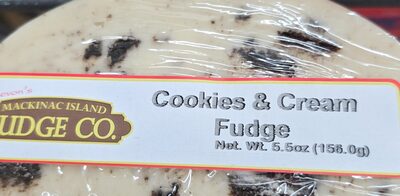
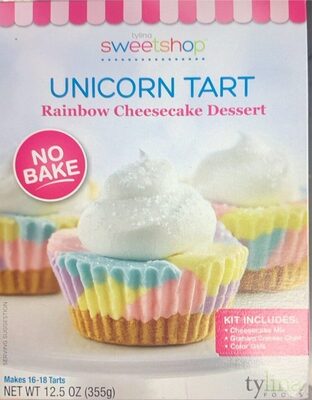
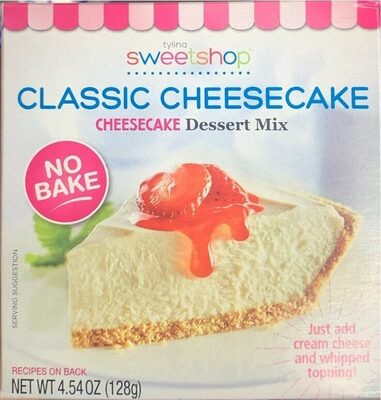
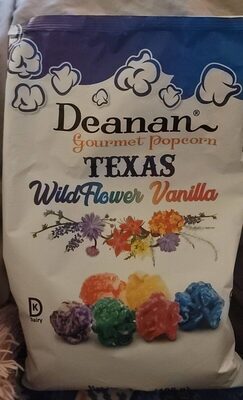
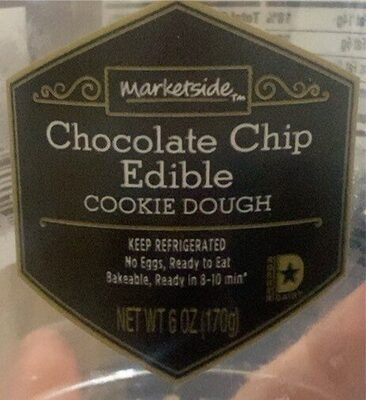
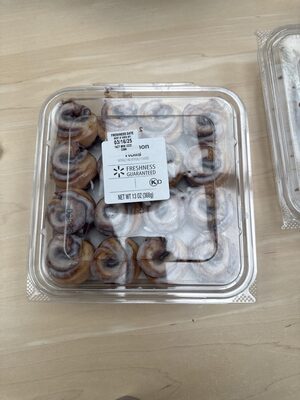
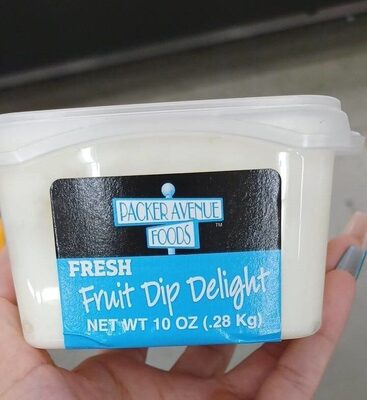
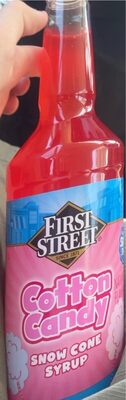
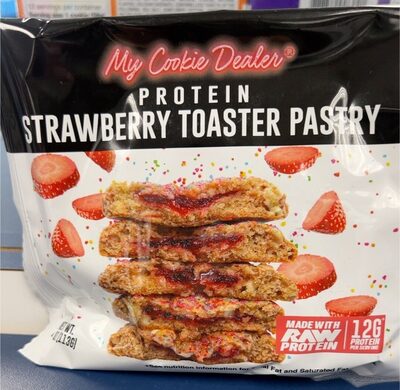
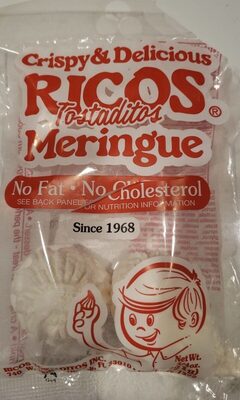
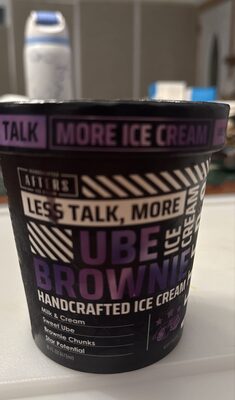
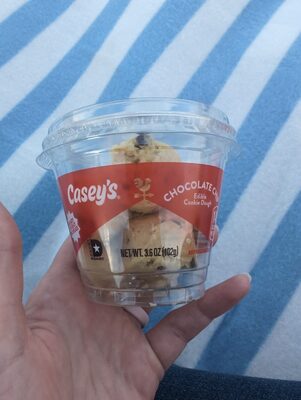
Foods that contain Ethyl Vanillin
Compare products →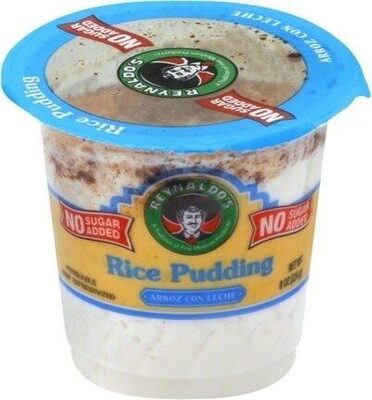
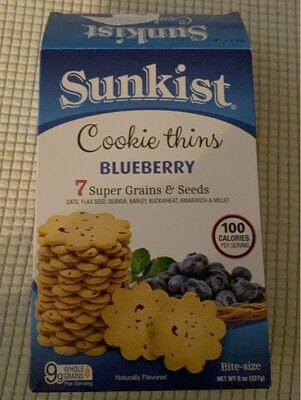
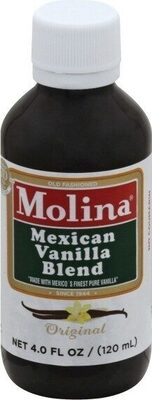
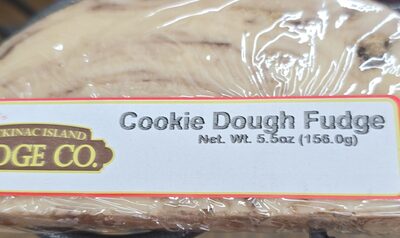


Learn more
Auto-generated content. This description was generated automatically and is pending editorial review. Inaccuracies are possible. Found a mistake? Contact us.