Extractives Of Turmeric And Annatto
What is Extractives Of Turmeric And Annatto?
These are natural colorants derived from the seeds of the achiote tree (annatto) and the root of the turmeric plant. The pigments are extracted using solvents, then purified and concentrated.
Is Extractives Of Turmeric And Annatto vegan?
Extractives Of Turmeric And Annatto is not animal-derived. Products that contain it can still include other animal-derived ingredients, so check the full ingredient list.
Is Extractives Of Turmeric And Annatto gluten-free?
They do not contain gluten.
Is Extractives Of Turmeric And Annatto a major allergen?
Neither turmeric nor annatto are among the nine major allergens recognized by the FDA.
What is Extractives Of Turmeric And Annatto used for?
Extractives of turmeric and annatto are used to add yellow to orange hues to foods.
Is Extractives Of Turmeric And Annatto safe?
In the U.S., these natural colorants are generally recognized as safe (GRAS) by the FDA.
Why it's used
Extractives of turmeric and annatto are used to add yellow to orange hues to foods. They are found in a variety of products, including baked goods, dairy products, and processed meats, where a natural coloring is desired.
Health notes
In the U.S., these natural colorants are generally recognized as safe (GRAS) by the FDA. They are widely used and considered safe at typical consumption levels. International bodies like JECFA and EFSA have also evaluated these colorants. No significant health concerns have been linked to their consumption in normal amounts.
Allergen info
Neither turmeric nor annatto are among the nine major allergens recognized by the FDA. They do not contain gluten.
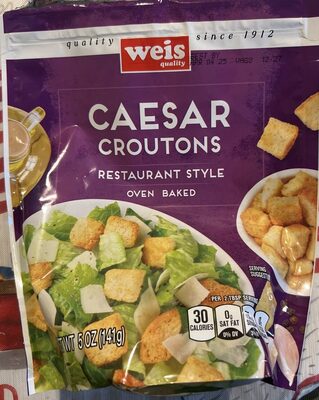
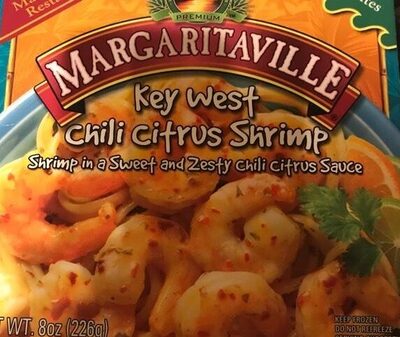
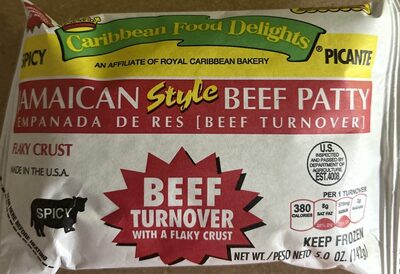
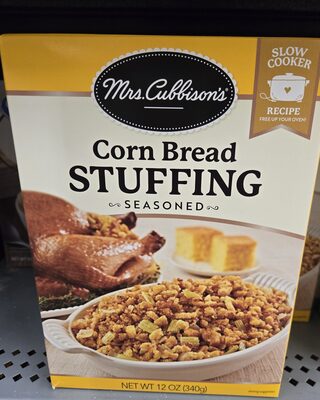
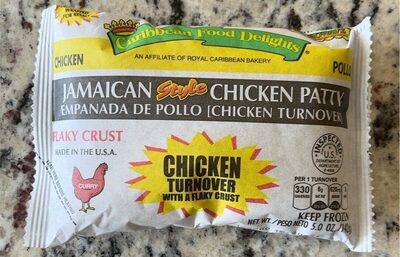
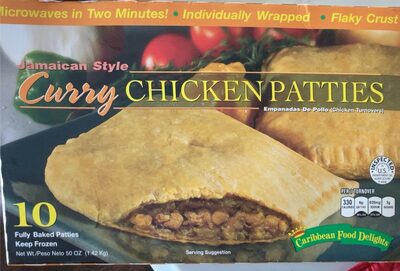
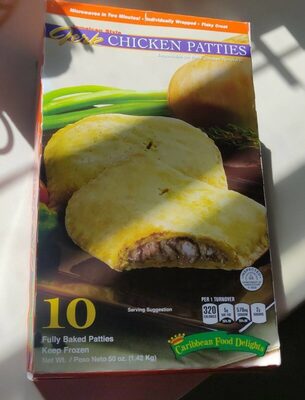
Foods that contain Extractives Of Turmeric And Annatto
Compare products →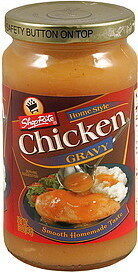
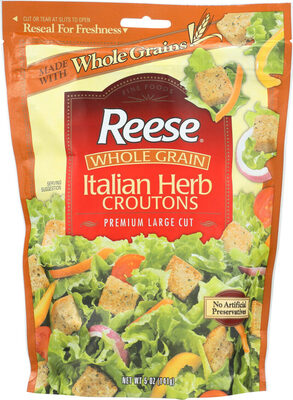
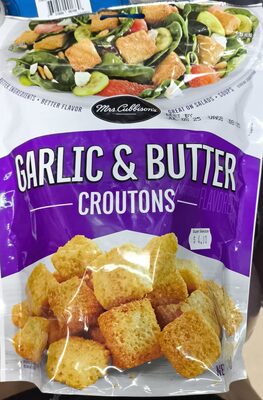
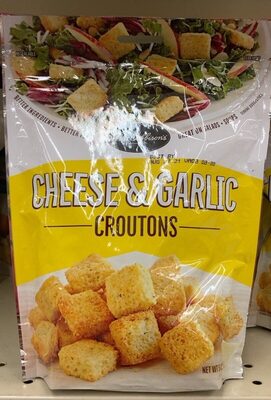

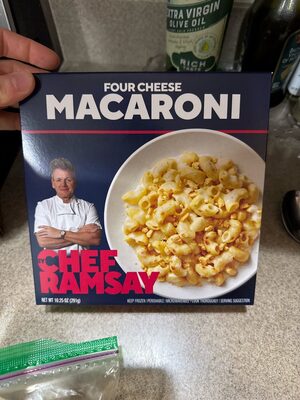
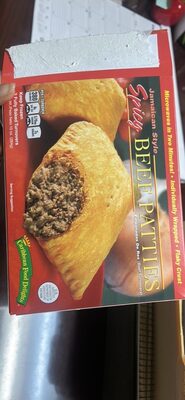
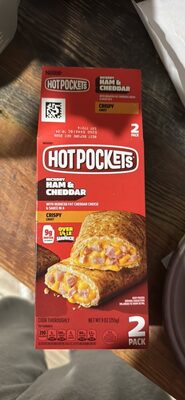
Learn more
Auto-generated content. This description was generated automatically and is pending editorial review. Inaccuracies are possible. Found a mistake? Contact us.